Houses for sale in Florida present an exciting opportunity to explore a diverse range of architectural styles and vibrant communities. From the charming bungalows of the Historic Districts to the sleek modern designs along the coast, Florida’s homes reflect a rich tapestry of cultural influences. Whether you’re drawn to the Spanish Revival or the contemporary beach houses, each neighborhood offers a unique flavor that appeals to prospective buyers.
This guide will delve into the many aspects of Florida’s housing market, including key influences on real estate prices, advantages of homeownership in the Sunshine State, and essential tips for navigating property taxes and working with real estate agents. Get ready to uncover what makes buying a house in Florida a rewarding experience.
Explore the diverse architectural styles of houses for sale in Florida
Florida’s housing market is renowned for its rich tapestry of architectural styles, each telling its own story of the state’s cultural influences and historical evolution. From the art deco marvels of South Beach to the charming bungalows of the inland suburbs, the architectural variety reflects the diverse population and climate of the Sunshine State. Here, we delve into three popular architectural styles found in Florida homes, highlighting their unique characteristics and cultural significance.
Mission Revival Style
The Mission Revival style, characterized by its stucco exteriors, red tile roofs, and arched doorways, draws inspiration from the Spanish colonial missions established in Florida during the 18th century. This style often features decorative tile work and wrought iron detailing, which add to its charm and authenticity. Neighborhoods such as Coral Gables in Miami are famous for their Mission Revival homes, where the relaxed, earthy aesthetics blend beautifully with the lush tropical landscapes.
Florida Cracker Style
Florida Cracker homes are a reflection of the state’s early settlers, designed to withstand the humid subtropical climate. These homes typically have raised wooden floors, large porches, and metal roofs, allowing for ventilation and protection against flooding. The architecture is practical yet charming, often showcasing bright colors and simple lines. Neighborhoods like Apalachicola offer stunning examples of Florida Cracker style, where the historic homes contribute to the town’s quaint, small-town atmosphere.
Contemporary Coastal Style
Contemporary Coastal style homes focus on natural light and open spaces, often featuring large windows and sliding glass doors that connect indoor living spaces with the outdoors. These homes are frequently designed with sustainable materials and energy-efficient features, reflecting a modern lifestyle that embraces the beachside environment. Communities such as Seaside on the Gulf Coast showcase breathtaking examples of this style, where the architecture harmonizes with the stunning coastal views, creating a seamless blend of comfort and luxury.Overall, the architectural styles found in Florida homes not only showcase the state’s aesthetic diversity but also highlight its historical and cultural influences, making each neighborhood a unique tapestry of design and history.
Identify key factors influencing the real estate market in Florida: Houses For Sale In Florida
The real estate market in Florida is influenced by a variety of factors that can significantly affect house prices and overall market conditions. Understanding these key elements allows prospective buyers, sellers, and investors to navigate the complexities of the market more effectively. This discussion highlights the primary factors currently shaping the Florida housing landscape.
Factors Affecting House Prices in Florida
Several critical elements impact the pricing dynamics of homes in Florida. These factors include economic conditions, interest rates, inventory levels, and demographic shifts. Each plays a unique role in shaping the market.
- Economic Conditions: The state’s economy is a driving force behind real estate prices. With Florida’s robust tourism industry and a growing job market in sectors like healthcare and technology, increased employment boosts demand for housing.
- Interest Rates: Interest rates set by the Federal Reserve influence mortgage rates. Lower interest rates often lead to increased home-buying activity, thereby raising prices due to higher demand. Conversely, higher rates can slow down the market.
- Inventory Levels: The supply of homes available for sale directly affects prices. A limited inventory tends to push prices up, while an oversupply can lead to price reductions. Recent trends show Florida experiencing low inventory levels, intensifying competition among buyers.
- Demographic Shifts: An influx of retirees and young families moving to Florida for its warm climate and lifestyle options affects housing demand. Areas like Naples and Sarasota are witnessing increased interest from baby boomers, significantly impacting local markets.
Seasonal Trends Impacting Property Sales
Seasonal trends also play a substantial role in the real estate market, especially in Florida, where climate and tourism seasons can dictate the buying patterns. During the winter months, Florida becomes a haven for “snowbirds,” individuals who migrate from colder regions to enjoy warmer weather. This influx typically results in increased property sales during this period. Conversely, the summer months often see a slowdown as families prioritize vacations, reducing the number of active buyers in the market.
The cyclical nature of these seasonal trends can create fluctuations in pricing. It’s essential for buyers and sellers to be aware of these patterns to optimize their buying or selling strategies.
The Role of Tourism in Shaping the Housing Market
Tourism is a fundamental component of Florida’s economy, directly impacting the housing market. With millions of visitors flocking to the state each year for its beaches, theme parks, and recreational activities, the demand for vacation rentals and second homes has surged.In areas like Orlando and Miami, the tourism industry has spurred significant investment in real estate. Many investors purchase properties to convert them into vacation rentals, capitalizing on the high demand during peak seasons.
As a result, this has led to increased prices in regions that are popular among tourists.Additionally, the reliance on tourism has encouraged developers to create more rental properties, further shaping market dynamics. The interconnection between tourism and the housing sector illustrates the importance of this industry in influencing property values and availability in Florida.
Discuss the advantages and disadvantages of buying houses in Florida

Florida is a popular destination for homebuyers, thanks to its warm climate, beautiful beaches, and vibrant culture. However, purchasing a home in this state comes with its own set of benefits and challenges that potential buyers should thoroughly understand. This analysis will highlight the key advantages, potential drawbacks, and how Florida’s real estate market compares to other states for long-term investment.
Benefits of Purchasing a Home in Florida
Investing in a home in Florida provides numerous advantages that can enhance the quality of life for residents. Understanding these can help buyers make informed decisions.
- Year-Round Sunshine: Florida is known for its warm, sunny weather, which allows for outdoor activities and a generally more active lifestyle throughout the year. This is especially appealing for those looking to escape colder climates.
- No State Income Tax: One of the most significant financial benefits is Florida’s lack of state income tax. This can result in substantial savings for homeowners, allowing for better allocation of funds towards property maintenance and lifestyle choices.
- Diverse Lifestyle Options: Florida offers a wide array of communities ranging from bustling urban areas like Miami and Orlando to tranquil beach towns. This variety ensures that buyers can find a neighborhood that suits their lifestyle and preferences.
- Robust Rental Market: For those considering investment properties, Florida boasts a strong rental market due to its popularity as a vacation destination. Homes can often be rented out for substantial income, especially during peak tourist seasons.
- Strong Real Estate Appreciation: Historically, Florida’s real estate market has shown a tendency for appreciation, making it an attractive option for long-term investment. Factors such as population growth and tourism contribute to this upward trend.
Challenges for New Homeowners in Florida
While the advantages are significant, there are also challenges that new homeowners in Florida should be aware of.
- Hurricane Risk: Florida is prone to hurricanes and tropical storms, which can lead to property damage. Homeowners should consider the costs of insurance and potential repairs when purchasing a home in this region.
- High Homeowners Insurance Costs: Due to the risk of natural disasters, homeowners often face higher insurance premiums compared to other states, impacting overall affordability.
- Market Volatility: The Florida real estate market can be volatile, with prices fluctuating based on seasonal demand and economic conditions. Buyers must be prepared for potential market shifts.
- Property Maintenance Issues: The humid climate can lead to specific maintenance challenges such as mold and pest control. Homeowners may need to invest in regular upkeep to protect their investment.
- Competitive Market: In many desirable areas, the competition for homes can be intense, leading to bidding wars. This can make it challenging for buyers to secure a property at a reasonable price.
Long-Term Investment Potential of Florida Homes
When considering the long-term investment potential, Florida homes offer unique advantages compared to other states, primarily due to factors like climate, tourism, and economic growth.Florida’s real estate market has consistently outperformed many other states in terms of appreciation. For instance, the median home price in Florida saw a significant increase from $250,000 in 2019 to over $350,000 in 2023, emphasizing a robust demand.
In contrast, states like New York and California have experienced slower appreciation rates, primarily due to higher taxes and stricter regulations affecting the housing market.Additionally, Florida’s rapidly growing population, projected to reach over 26 million by 2030, fuels the demand for housing, ensuring that investment in real estate remains a sound decision. Given these factors and historical trends, Florida continues to be an attractive option for both primary residences and investment properties.
Examine the impact of climate on house design in Florida
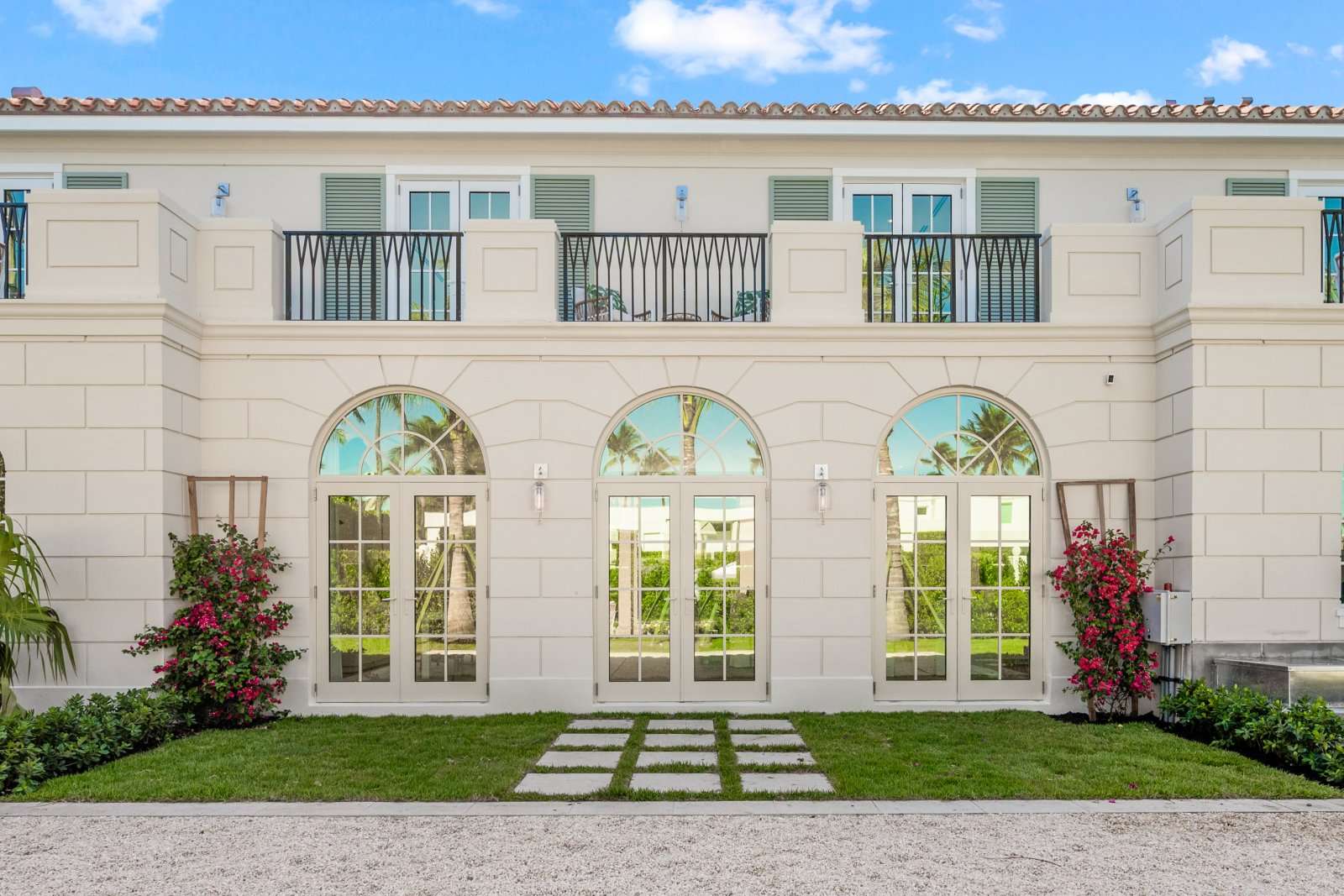
Florida’s tropical climate plays a significant role in shaping the architecture and construction of homes throughout the state. The warm temperatures and high humidity levels create unique challenges and opportunities for home builders and designers. Understanding these factors is essential for anyone looking to buy or build a house in Florida, as it directly affects comfort, durability, and energy efficiency.Florida’s climate influences the construction and design of homes in several ways.
The primary concerns include high humidity, intense sunlight, and the potential for hurricanes. As a result, homes are often designed with features that enhance ventilation and reduce heat accumulation. Elevated foundations are also common to mitigate flooding risks during heavy rains or hurricanes. Roof designs are typically sloped to allow for quick drainage, while large overhangs provide shade to windows and outdoor living spaces.
Popular building materials in Florida
The choice of building materials in Florida is heavily influenced by the state’s weather conditions. Home builders often select materials that can withstand the elements while providing insulation and durability. The following materials are commonly used:
- Concrete Block: This material is favored for its strength and resistance to hurricane winds and moisture. Concrete block homes are also excellent at maintaining indoor temperatures.
- Stucco: A popular exterior finish, stucco is favored for its ability to resist mold and withstand humid conditions. Its texture also allows for aesthetic flexibility.
- Metal Roofing: Metal roofs are increasingly popular due to their longevity and ability to reflect sunlight, reducing heat absorption and cooling costs.
- Impact-Resistant Windows: These windows are designed to withstand high winds and flying debris, essential for homes in hurricane-prone areas.
The choice of these materials not only enhances the structural integrity of homes but also contributes significantly to energy efficiency.
Energy-efficient designs gaining traction, Houses for sale in florida
With the rising focus on sustainability and energy conservation, several energy-efficient designs are becoming increasingly popular in Florida. These designs aim to reduce energy consumption while enhancing the comfort of homes. Key features include:
- Passive Solar Design: This approach maximizes natural light and ventilation, reducing reliance on artificial heating and cooling systems.
- Green Roofs: Installing vegetation on rooftops can reduce heat absorption, improve insulation, and promote biodiversity.
- High-Efficiency HVAC Systems: Modern heating, ventilation, and air conditioning systems are designed to use less energy while providing effective climate control.
- Smart Home Technology: Incorporating smart thermostats and energy monitoring systems allows homeowners to optimize energy use and reduce waste.
These energy-efficient innovations not only help homeowners save on utility bills but also contribute to a more sustainable environment, making Florida a leader in green home design.
Create a guide to understanding property taxes in Florida neighborhoods
Navigating property taxes in Florida can seem overwhelming, especially for first-time homebuyers. Understanding how property taxes work is crucial to making informed decisions about purchasing a home and managing expenses in your new neighborhood. Florida has a unique property tax system that can significantly impact homeownership costs.The property tax in Florida is primarily based on the assessed value of the property, which is determined by the local property appraiser.
Each county in Florida has its own tax rate, which means that the taxes can vary significantly based on where you purchase your home. The property tax rate is expressed as a percentage of the assessed value.
Calculation of Property Taxes
Property taxes in Florida are calculated using the following formula:
Property Tax = Assessed Value x Tax Rate
To further break this down, the assessment process involves multiple steps:
1. Determination of Assessed Value
The property appraiser evaluates the market value of a home based on various factors, including location, size, and comparable properties.
2. Applying Exemptions
Homeowners may qualify for exemptions such as the Homestead Exemption, which can significantly reduce the taxable value of a primary residence. For example, the Homestead Exemption can lower the assessed value by up to $50,000.
3. Tax Rate Assessment
Each local government sets its tax rate, which is applied to the assessed value after exemptions. For instance, if the tax rate is 1.2% and the assessed value after exemptions is $200,000, the annual property tax would be $2,400.Understanding local tax laws is essential when buying a house. Each neighborhood may have different tax rates and available exemptions, which can impact your overall financial commitment.
For example, moving from a neighborhood with lower tax rates to one with higher rates could lead to unexpected costs.
Importance of Understanding Local Tax Laws
Grasping local tax laws is vital for prospective buyers for several reasons:
Budget Planning
Knowing the property tax rate can help you better plan your monthly budget.
Investment Value
Areas with lower tax rates may seem more attractive, potentially making them better investment opportunities.
Exemption Availability
Different neighborhoods may offer various exemptions. Understanding these can save you money.
Navigating Property Tax Appeals
If you believe your property has been overvalued, or your tax assessment does not reflect the current market value, you have the right to appeal. Here are some effective strategies for navigating the appeals process:
Review Your Assessment
Obtain a copy of your property’s assessment to ensure accuracy in details like square footage and property features.
Gather Comparables
Research similar properties in your neighborhood that have sold recently to support your case. Look for properties with lower assessments that are similar in size and condition.
Prepare Documentation
Compile all relevant data, including photographs, sales data, and any repair estimates that may impact value.
Meet Deadlines
Be aware of local deadlines for appeals. Missing these can result in losing your right to contest the assessment.Engaging with the appeals process can be daunting, but with thorough preparation and an understanding of the local market, homeowners can effectively reduce their property tax burdens.
Analyze the role of real estate agents in the Florida housing market
In the vibrant and competitive Florida housing market, real estate agents play a crucial role in guiding buyers through the intricate process of purchasing a home. With their expertise and knowledge of the local market, agents help streamline transactions and provide invaluable support to clients at every step.Real estate agents in Florida serve as intermediaries between buyers and sellers, leveraging their skills to ensure that all parties navigate the complexities of real estate transactions smoothly.
Their understanding of the market’s dynamics, including pricing trends and neighborhood specifics, significantly benefits buyers, making it essential to collaborate with a qualified agent.
Benefits of working with a real estate agent when buying a house in Florida
Engaging a real estate agent when purchasing a home can yield numerous advantages. These agents not only simplify the buying process but also enhance the overall experience with their professional insight. Here are some significant benefits:
- Market Knowledge: Real estate agents possess extensive knowledge of the Florida market, including current pricing, neighborhood trends, and available listings. This information enables buyers to make informed decisions.
- Negotiation Skills: Agents are skilled negotiators who advocate for their clients. They work to secure the best possible price and terms, using their experience to handle offers and counteroffers effectively.
- Access to Listings: Agents have access to exclusive listings and can provide insights into homes that may not yet be on the market, giving buyers a broader range of options.
- Guidance Through Paperwork: The home-buying process involves significant paperwork. An agent can help ensure that all documents are properly completed and submitted on time, reducing the risk of delays.
- Local Connections: Real estate agents often have established relationships with other professionals, such as inspectors, appraisers, and mortgage brokers, facilitating a smoother transaction.
Choosing the right agent for your needs
Selecting the ideal real estate agent is a vital step in the home-buying journey. The right agent can make all the difference in achieving a successful transaction. When searching for an agent, consider the following factors:
- Experience: Look for agents with a proven track record in Florida’s real estate market, particularly in the specific neighborhoods you are interested in.
- Specialization: Some agents specialize in certain types of properties or markets, such as luxury homes or waterfront properties. Ensure the agent aligns with your specific needs.
- Client Reviews: Research past client experiences through online reviews or testimonials. This can provide insight into the agent’s professionalism and effectiveness.
- Communication Style: Choose an agent whose communication style and availability match your preferences. Effective communication is key to a successful buying experience.
- Local Knowledge: An agent familiar with the local area can provide valuable insights about schools, amenities, and upcoming developments that may influence your decision.
Services provided by agents that enhance the buying experience
Real estate agents offer a wide range of services designed to enhance the home-buying experience. Their multifaceted support can significantly ease the process for buyers. Here are some essential services typically provided by agents:
- Property Tours: Agents arrange and conduct property showings, allowing buyers to view homes that meet their criteria and preferences.
- Market Analysis: Agents perform comparative market analyses to help buyers understand fair pricing and assess property values effectively.
- Assistance with Financing: Many agents can connect buyers with mortgage lenders and assist in pre-approval processes, making the financial aspect of buying a home smoother.
- Problem Resolution: If issues arise during the buying process, agents can negotiate solutions or alternatives, ensuring that the deal remains on track.
- Closing Coordination: Agents facilitate the closing process, coordinating with all parties involved to ensure a seamless transition from buyer to homeowner.
Create a checklist for first-time homebuyers in Florida
Navigating the Florida real estate market can be an exciting yet overwhelming experience for first-time homebuyers. Understanding the unique aspects of buying a home in the Sunshine State is crucial for making informed decisions. This checklist Artikels essential steps, common mistakes to avoid, and financial preparation tips that can significantly ease the home-buying journey.
Essential steps for first-time homebuyers
When stepping into the world of homeownership, it’s important to follow a structured approach. Here are ten essential steps that will guide first-time buyers in Florida through the process:
- Determine your budget: Evaluate your financial situation to understand how much you can afford.
- Get pre-approved for a mortgage: Contact lenders to secure a pre-approval, which strengthens your buying position.
- Research neighborhoods: Investigate various Florida neighborhoods to find the best fit for your lifestyle and needs.
- Hire a real estate agent: Choose an experienced agent familiar with the Florida market to help navigate listings and negotiations.
- Start house hunting: Attend open houses and schedule private showings to find the right property.
- Make an offer: Once you find a suitable home, work with your agent to submit a competitive offer.
- Conduct inspections: Hire professionals to inspect the property for any potential issues before finalizing the purchase.
- Negotiate repairs: If any problems arise during inspections, negotiate with the seller for repairs or credits.
- Review closing costs: Understand the fees associated with closing to budget accordingly.
- Close the deal: Finalize all paperwork and officially become a homeowner.
Common mistakes to avoid during the home buying process
Awareness of common pitfalls can save first-time buyers both time and money. Here are several mistakes frequently made in the home-buying process:
Failing to budget for additional costs can lead to financial strain.
Overlooking neighborhoods is a mistake that can impact long-term satisfaction.
Skipping the inspection process can result in unexpected repairs and expenses.
You also can investigate more thoroughly about homes for sale county to enhance your awareness in the field of homes for sale county.
Making an emotional decision rather than a financially sound one can lead to buyer’s remorse.
Not understanding the mortgage terms could lead to unfavorable loan conditions.
Financial preparation tips for purchasing a home in Florida
Preparing financially for a home purchase is essential to ensure a smooth transaction. Effective financial planning includes the following tips:
- Start saving for a down payment early, aiming for at least 20% to avoid private mortgage insurance (PMI).
- Maintain a good credit score to secure favorable mortgage rates; pay bills on time and reduce debt.
- Research local property taxes and homeowners insurance rates in your desired area to factor into your budget.
- Create an emergency fund to cover unexpected costs that may arise during the homeownership period.
- Consider additional expenses such as maintenance, utilities, and homeowners association (HOA) fees when estimating your budget.
By following this checklist and being mindful of common missteps, first-time homebuyers in Florida can navigate the real estate market with greater confidence and success.
Describe the neighborhood amenities that attract buyers to Florida homes
When it comes to purchasing a home in Florida, buyers are not only looking for beautiful properties but also for vibrant communities filled with amenities that complement their lifestyle. The prevalence of certain neighborhood amenities can significantly influence buyer interest and property values, making them a crucial consideration in the real estate market. Understanding what amenities are highly sought after can guide potential homeowners in making informed decisions.In Florida, specific amenities have emerged as top priorities for homebuyers.
The presence of these features can enhance quality of life while also elevating property values. Here are five highly valued amenities among Florida homebuyers:
Commute and Accessibility Options
Proximity to major roads, highways, and public transportation options is a significant factor for many buyers. Easy access to commuting routes not only saves time but also enhances daily convenience. Many neighborhoods offer well-established transport links, making them attractive to professionals and families alike.
Recreational Facilities
Florida is known for its outdoor lifestyle, and neighborhoods that feature recreational amenities such as parks, golf courses, and community pools are highly appealing. These facilities not only provide spaces for leisure and physical activity but also foster community engagement. Access to these amenities can lead to increased property values as buyers are often willing to pay a premium for homes near such facilities.
Shopping and Dining Options
Neighborhoods with a variety of shopping centers, restaurants, and cafes attract buyers looking for convenience and lifestyle choices. Having these amenities nearby reduces the need for long drives and enhances daily living. Communities like Boca Raton and Naples are renowned for their vibrant shopping and dining scenes, translating into higher property demands and values.
Schools and Educational Institutions
Quality education is a priority for families, making neighborhoods with access to reputable schools highly desirable. Areas with top-rated public and private schools often see a surge in property values. For instance, areas in and around Coral Gables are known for their esteemed educational institutions, significantly influencing homebuying decisions.
Safety and Community Services
Safety is a cornerstone of any attractive neighborhood. Areas with low crime rates, responsive community services, and active neighborhood watch programs tend to attract buyers seeking peace of mind. Communities such as Windermere focus on security and community involvement, further enhancing their appeal and property values.In summary, the presence of these amenities can greatly influence property values and the desirability of neighborhoods.
Buyers are increasingly looking for more than just a home; they want a community that fits their lifestyle and offers convenience, leisure, safety, and education. As such, neighborhoods equipped with these desirable features are often more sought after, leading to higher real estate prices and a thriving community atmosphere.
Concluding Remarks

In summary, the journey of finding houses for sale in Florida is not just about the properties themselves, but the lifestyle that comes with them. With stunning architecture, favorable market conditions, and a plethora of amenities, Florida offers a unique real estate landscape. As you embark on this adventure, remember the insights shared here to make informed decisions and discover the home that perfectly suits your needs.
FAQ Overview
What are the most popular architectural styles in Florida?
Popular styles include Mediterranean Revival, Art Deco, and Contemporary designs, each reflecting the state’s cultural history.
How do seasonal trends affect house prices in Florida?
Prices often rise during the winter months when snowbirds flock to Florida, leading to increased demand.
What are some common challenges for first-time homebuyers in Florida?
Challenges include navigating property insurance requirements and understanding local tax laws.
How is property tax calculated in Florida?
Property tax in Florida is based on the assessed value of the home and local millage rates.
What amenities increase property values in Florida?
Amenities such as proximity to beaches, parks, and quality schools significantly enhance property values.
