Buy luxury homes, where opulence meets comfort, is a pursuit for those who seek an unparalleled living experience. Luxury homes are not just about price tags; they embody a lifestyle filled with exquisite features, prime locations, and cutting-edge amenities that cater to your every desire. From stunning architectural designs to personalized spaces, this journey explores what it truly means to own a piece of luxury in today’s market.
As we delve into the realm of luxury real estate, we will uncover essential features, market trends, financing options, and the vital role of real estate agents. Understanding the intricacies of this market can make all the difference in finding your dream luxury home, while avoiding common pitfalls and ensuring a smooth transaction.
The key features to look for when considering to buy luxury homes
When embarking on the journey to purchase a luxury home, it’s crucial to identify features that not only enhance aesthetic appeal but also significantly improve your living experience. Luxury homes are designed with a blend of comfort, style, and functionality, making them a worthwhile investment. Here are some key features to consider in your search for the perfect luxury property.
Essential Features Defining Luxury Homes
In the realm of luxury real estate, certain features elevate a property beyond the ordinary. Below are essential characteristics to look for:
- High-Quality Materials: Luxury homes are constructed using top-grade materials, such as marble floors, hardwood finishes, and custom cabinetry, ensuring durability and an upscale aesthetic.
- Smart Home Technology: Integration of advanced technology like smart thermostats, security systems, and automated lighting enhances convenience and security, providing a modern, luxurious lifestyle.
- Spacious Layouts: Luxury properties often boast open floor plans with expansive living spaces, allowing for comfortable gatherings and a sense of grandeur.
- Outdoor Living Spaces: Features such as pools, outdoor kitchens, and landscaped gardens extend the living area, providing a space for relaxation and entertainment in a serene environment.
- Energy Efficiency: High-end homes frequently include energy-efficient appliances and sustainable designs that reduce utility costs while offering eco-friendly living options.
These features not only amplify the allure of luxury homes but also contribute to an improved quality of life. High-quality materials ensure longevity and aesthetic elegance, while smart technology provides convenience and peace of mind. Spacious layouts encourage social interaction, and outdoor living spaces enhance both relaxation and entertainment. Additionally, energy-efficient designs promote a sustainable lifestyle, aligning luxury with environmental responsibility.
Importance of Location in Luxury Features
The location of a luxury home plays a pivotal role in its value and desirability. A prime location often provides breathtaking views, proximity to elite schools, fine dining, shopping districts, and cultural attractions, all of which enhance the living experience.A home situated in a prestigious neighborhood typically enjoys higher appreciation rates and better resale potential. Furthermore, the ambiance of the area contributes significantly to the overall living experience.
For instance, a luxury home in a coastal area offers stunning ocean views and recreational opportunities, while a property in a bustling urban center provides access to vibrant nightlife and cultural events.In conclusion, the combination of essential features and an enviable location is fundamental when considering the purchase of a luxury home. Investing in properties that embody these qualities not only ensures a refined living experience but also serves as a smart financial decision.
Understanding the luxury real estate market trends
The luxury real estate market has undergone significant transformations over the past decade, shaped by various economic, social, and technological factors. As the world became more interconnected and affluent, the demand for high-end properties surged, leading to evolving trends that reflect both buyer preferences and market dynamics. Over the last ten years, we have witnessed notable shifts in the luxury real estate sector.
Initially, post-2008 financial recovery set the stage for a stronger luxury market, with affluent buyers returning and investing heavily in prime locations. According to the Knight Frank Luxury Investment Index, luxury real estate values have steadily appreciated, with some markets witnessing price increases of over 40% from their lows. However, recent events have introduced a more complex landscape. The pandemic, for instance, has accelerated a trend towards suburban and rural luxury homes as remote work became normalized.
This has driven buyers to seek larger spaces and properties with amenities catering to a more lifestyle-oriented living experience.
Factors Influencing Luxury Real Estate Trends
Several key factors have played a pivotal role in shaping the trends in luxury real estate. Economic indicators, demographic shifts, and changing lifestyle preferences are just a few elements that impact buyer behavior and market dynamics.
- Economic Changes: Interest rates, inflation, and overall economic health significantly affect purchasing power. For example, during times of economic growth, luxury buyers tend to invest more aggressively as confidence in the market increases.
- Urban vs. Suburban Preferences: The pandemic has shifted preferences, with many affluent buyers now prioritizing suburbs or even vacation markets over traditional urban locales. This shift is caused by the desire for more space and privacy.
- Technological Advancements: Digital listings and virtual tours have transformed how buyers explore luxury homes. Enhanced technology allows potential buyers to view properties globally, increasing competition and demand.
- Environmental Sustainability: Buyers are increasingly considering eco-friendly features in luxury homes. Sustainable building materials and energy-efficient designs are not just trends but essential factors for many high-net-worth individuals.
- Globalization: With an expanding global economy, international buyers are more active than ever in luxury markets. They often seek stable investments in foreign real estate, particularly in cities with a strong reputation for quality of life.
Comparing current market conditions to historical data reveals a dynamic landscape. For instance, in major cities like New York and Los Angeles, luxury segments have evolved from merely high-priced listings to incorporating lifestyle amenities that cater to affluent buyers’ needs. Historical data from the past decade indicates fluctuating supply levels, with recent inventory shortages leading to bidding wars and accelerated price increases.
In conclusion, understanding these trends is crucial for anyone looking to navigate the luxury real estate market successfully. By recognizing the underlying factors at play, prospective buyers can make informed decisions that align with current market conditions and future expectations.
The process of financing luxury homes
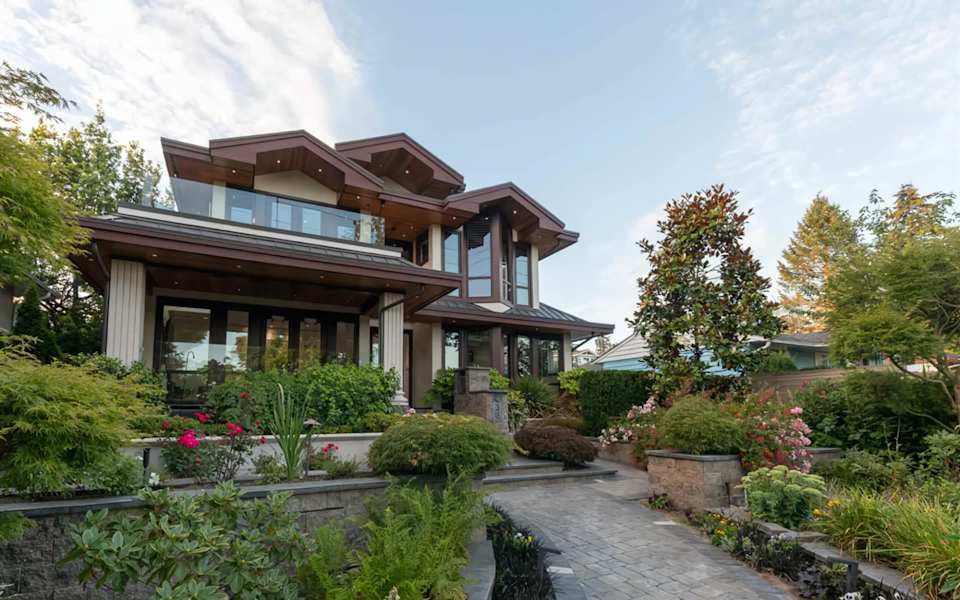
Purchasing a luxury home is a significant investment that often requires strategic financing. Understanding the various financing options available is essential for buyers looking to navigate this exclusive market. Different financing avenues cater to the unique needs and financial profiles of luxury home purchasers.
Financing options for luxury homes
When considering financing options, buyers typically have a range of choices that can accommodate high-value purchases. The most common financing avenues include:
- Conventional Loans: These are typical mortgage loans that are not insured or guaranteed by the federal government. They tend to have more stringent credit requirements and may require a larger down payment for luxury properties.
- Jumbo Loans: Given that luxury homes often exceed the conforming loan limits, jumbo loans are necessary. These loans allow for financing amounts that are higher than conventional limits, but they typically come with higher interest rates and stricter credit requirements.
- Portfolio Loans: These are loans held by lenders instead of being sold on the secondary market. They are more flexible and can accommodate unique situations, such as self-employed individuals or buyers with unconventional income sources.
- Interest-Only Loans: For affluent buyers looking to maximize cash flow, interest-only loans can be appealing. These loans allow buyers to pay only the interest for a set period, after which they will start paying both principal and interest.
- Custom Financing Solutions: Some lenders offer bespoke financing solutions tailored to high-net-worth individuals, which may include unique terms and conditions based on the buyer’s financial situation.
Differences between conventional loans and specialty financing
When comparing conventional loans to specialty financing options, several key differences emerge that can impact the buying process and overall financial strategy.
- Credit Requirements: Conventional loans usually require a higher credit score, often above 620, whereas specialty financing may be more lenient, allowing buyers with lower scores to qualify.
- Down Payment: Conventional loans often require a standard down payment of 20%, while specialty financing may allow lower down payments, especially in portfolio lending.
- Approval Process: Conventional loans typically have a standardized approval process, while specialty financing may involve individualized assessments, which can provide more flexibility for the borrower.
- Interest Rates: Interest rates for conventional loans are often lower compared to those for specialty financing, which can be higher due to the associated risks and tailored terms.
Importance of credit scores in luxury home purchasing
Credit scores play a crucial role in determining financing eligibility and terms for luxury home buyers.
- Interest Rate Influence: A higher credit score often results in lower interest rates, which can save buyers thousands over the life of the loan.
- Lending Terms: Buyers with excellent credit scores are more likely to receive favorable lending terms, including lower down payment requirements and reduced fees.
- Loan Approval Chances: A strong credit score enhances a buyer’s chances of securing financing for luxury properties, especially when applying for jumbo loans or portfolio loans.
Buying a luxury home with a poor credit score can significantly limit financing options and increase borrowing costs.
The role of real estate agents in luxury home transactions
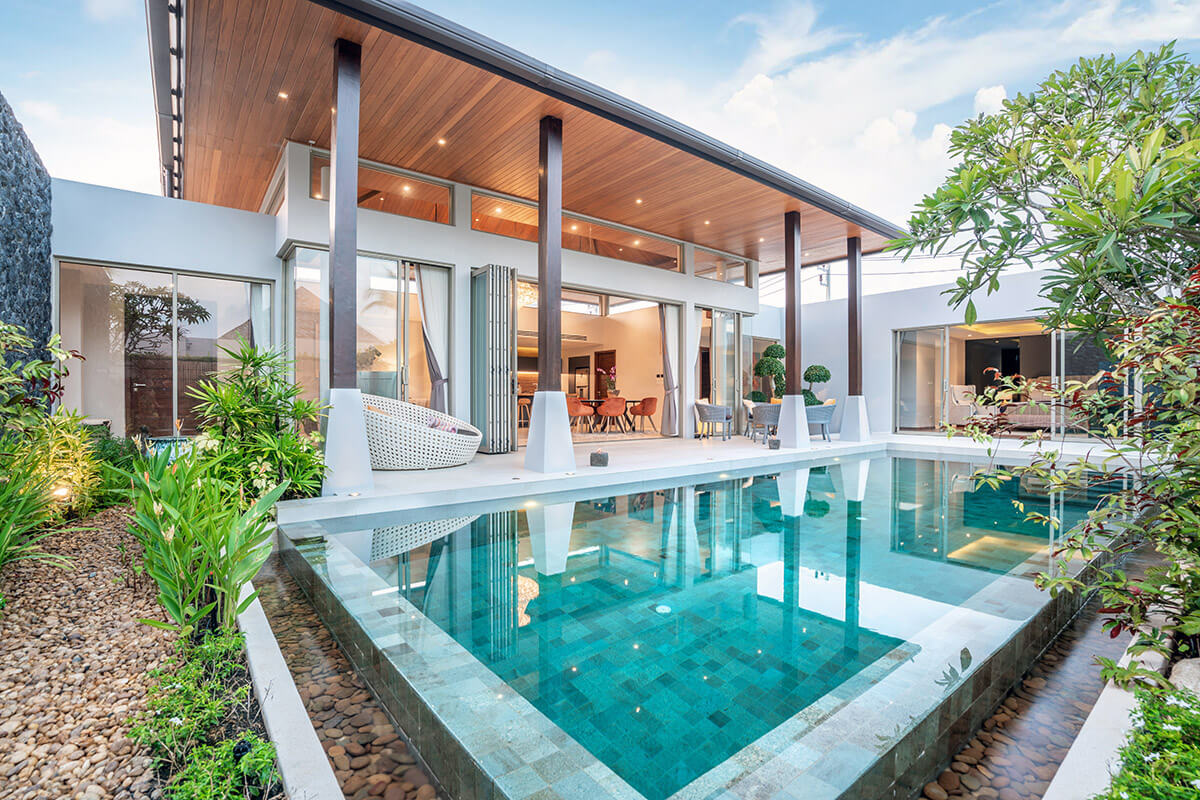
When navigating the complex world of luxury real estate, the expertise of a skilled real estate agent becomes invaluable. These professionals not only facilitate transactions but also provide insights that can significantly enhance the buying experience. The luxury market operates on a different level, requiring agents who are well-versed in its unique challenges and opportunities.Real estate agents specializing in luxury properties possess a unique skill set that distinguishes them from their peers in the broader market.
This expertise encompasses a deep understanding of high-end buyer preferences, intricate negotiation techniques, and a network of connections that can provide clients with exclusive opportunities. Luxury agents are well-acquainted with market trends, allowing them to anticipate shifts and advise clients accordingly. Their communication abilities, combined with a keen eye for detail, ensure that every aspect of a luxury transaction is managed with precision.
Expertise in High-End Negotiations
The negotiation process in luxury real estate can be significantly different from traditional transactions. Skilled agents are trained to navigate these high-stakes negotiations, ensuring that clients achieve favorable outcomes. Their ability to read the dynamics of negotiation, coupled with their understanding of luxury market valuations, positions them as effective advocates for their clients.Key points regarding the impact of skilled agents on luxury home transactions include:
-
Market Insights:
Agents provide valuable data-driven insights, helping clients to make informed decisions based on current market trends.
-
Access to Exclusive Listings:
Many luxury properties are not listed on public platforms; agents often have access to off-market listings, providing clients with unique opportunities.
-
Personalized Client Service:
Luxury agents tailor their services to meet the specific needs and preferences of high-end buyers, offering a bespoke experience.
-
Robust Networking:
A strong network of contacts in the luxury market includes other agents, potential buyers, and industry professionals, enabling smoother transactions.
Examples of successful luxury home transactions facilitated by proficient agents highlight the importance of their role. For instance, a prominent real estate agent in Los Angeles recently represented a celebrity in the sale of a multi-million dollar estate. Through their extensive network, they not only secured a buyer before the property officially hit the market but also negotiated a sale price significantly above the listing.
Such achievements underscore how skilled agents can leverage their expertise and connections to enhance the buying and selling process in the luxury sector.In summary, the role of real estate agents in luxury home transactions is paramount. Their specialized skills, industry knowledge, and negotiation prowess can transform the buying experience, ensuring that clients navigate the luxury real estate landscape with confidence and success.
The importance of luxury home inspections
When purchasing a luxury home, investing in a thorough inspection is a critical step that should not be overlooked. Luxury homes often come with unique features and high-end materials, making a detailed inspection essential to ensure that your investment is sound and free from hidden issues. A proper inspection can reveal potential problems that might not be obvious during a casual viewing, helping you make an informed decision.The process of inspecting a luxury home covers various aspects that are essential to ensure the property’s value and safety.
Skipping this step can lead to significant risks, including costly repairs and diminished property value. Luxury properties may contain intricate systems and specialized components that require expert evaluation. Therefore, having a comprehensive inspection can protect buyers from unforeseen expenses and provide peace of mind.
Aspects to cover during a luxury home inspection
A luxury home inspection should encompass several critical areas that can affect the property’s overall condition and functionality. The following checklist Artikels essential items that buyers should ensure are inspected before making a purchase:
- Structural Integrity: Inspect the foundation, walls, and roof for any signs of damage or weaknesses.
- HVAC Systems: Evaluate heating, ventilation, and air conditioning systems for efficiency and proper functioning.
- Electrical Systems: Check wiring, outlets, and switches to ensure they meet current safety standards.
- Plumbing: Assess all plumbing fixtures, pipes, and drainage systems for leaks or potential issues.
- Exterior Elements: Inspect landscaping, driveways, and other outdoor features for maintenance needs or damage.
- Luxury Features: Review specialized components such as swimming pools, home theaters, and wine cellars for functionality and upkeep.
- Appliances: Ensure that all appliances included in the sale are in good working order and free from defects.
The importance of inspecting these areas cannot be overstated. A thorough inspection can uncover serious problems that could lead to substantial repairs or renovations after the purchase. Buyers should be aware that even the most luxurious properties can harbor hidden issues, and identifying these risks upfront can save money and stress down the line.
“Investing in a luxury home without a comprehensive inspection is like sailing without a compass – you may not realize you’re heading into treacherous waters until it’s too late.”
Designing personalized spaces in luxury homes
Creating personalized spaces in luxury homes is all about reflecting the individuality and lifestyle of the homeowner. Unlike standard homes, luxury properties offer a blank canvas where one can mold every corner to fit personal tastes and needs. Whether it’s a gourmet kitchen for culinary enthusiasts or a serene reading nook for book lovers, customization transforms spaces into unique sanctuaries that resonate with personal style.Personalizing luxury spaces involves a thoughtful approach to design, which integrates elements that mirror the owner’s lifestyle and preferences.
It begins with understanding how the inhabitants interact with their environment. For instance, a family that entertains often might prioritize an open floor plan and a spacious dining area, while someone with a passion for art may focus on optimizing wall space for their collection. Collaborating with experienced designers can streamline this process, ensuring that every detail is meticulously crafted while keeping in mind the latest trends in luxury interior design.
Obtain a comprehensive document about the application of homes mobile homes that is effective.
Influence of interior design trends on luxury home personalization
Staying informed about prevailing interior design trends is essential when personalizing luxury homes. Trends often serve as inspiration, helping homeowners select styles, colors, and layouts that resonate with current aesthetics while ensuring timelessness. Some popular trends that influence personalization include:
- Biophilic design: Incorporating natural elements like indoor plants, natural lighting, and organic materials creates a seamless connection between indoor spaces and nature, promoting a sense of well-being.
- Sustainable materials: The shift towards eco-friendly living is reflected in the use of sustainable materials, like reclaimed wood and recycled metals, which not only enhance aesthetics but also support environmental consciousness.
- Minimalism: A clean and clutter-free aesthetic is favored in luxury homes, focusing on high-quality furniture and decor pieces that stand out rather than overwhelming the space.
- Technological integration: Smart home features are increasingly implemented, allowing for seamless control of lighting, temperature, and security, thereby enhancing convenience and comfort without compromising on style.
Choosing materials and finishes that enhance a luxury aesthetic
Selecting the right materials and finishes is crucial in elevating the luxury aesthetic of a home. High-quality finishes not only add to the visual appeal but also contribute to the longevity of the spaces. Here are some key factors to consider when choosing materials:
“The choice of materials plays a pivotal role in defining the elegance and sophistication of luxury homes.”
- Natural stone: Marble, granite, and limestone are popular choices for countertops and flooring, offering timeless beauty and durability.
- Hardwood flooring: Rich hardwoods, such as oak or walnut, provide warmth and richness, creating a welcoming atmosphere.
- Luxury textiles: Fabrics like silk, velvet, and high-thread-count cotton enhance comfort and add a touch of opulence to furnishings and decor.
- Customized cabinetry: Tailored cabinetry not only maximizes storage but also allows for unique design features that reflect personal style.
By aligning personal preferences with current trends in design and selecting high-quality materials and finishes, homeowners can create personalized spaces in their luxury homes that are both functional and exquisitely beautiful.
Common pitfalls to avoid when buying luxury homes

Purchasing a luxury home is often a thrilling yet complex journey. High-stakes transactions can lead buyers to make costly errors if they aren’t aware of the unique challenges within the luxury real estate market. By recognizing and sidestepping these common pitfalls, potential buyers can ensure a smoother acquisition process and ultimately enjoy their luxurious new abode.One mistake that many buyers make is underestimating the importance of location in the luxury market.
While it’s easy to focus solely on the aesthetics and amenities of the home, the surrounding neighborhood plays a crucial role in property value. An area that may seem desirable today could decline in appeal over time, particularly if there are developments that negatively affect the ambiance or market.
Overlooking Market Research
Understanding the luxury real estate market trends is essential. Buyers can encounter significant issues if they neglect to conduct thorough research on local property values and market conditions.
- Luxury homes can vary significantly in value based on neighborhood trends. For instance, buyers who purchase a multimillion-dollar property in a declining market may find their investment depreciates rapidly.
- Failing to analyze the price history of comparable properties can lead to overpaying. A buyer who skips this step may fall victim to inflated listing prices without understanding the true market value.
- Not being aware of the seasonality of luxury real estate can affect purchasing decisions. For example, buying during peak seasons may mean higher prices due to demand, while off-peak times might yield better deals.
Neglecting Professional Guidance
An essential pitfall is overlooking the value of a skilled real estate agent who specializes in luxury properties.
- Without expert representation, buyers might miss out on exclusive listings that are not widely advertised. This can lead to limited options and potentially costly regrets.
- Luxury home transactions often involve complex negotiations. A lack of experienced representation can result in unfavorable terms or missing critical contingencies in the contract.
- Buyers unfamiliar with the nuances of luxury home inspections may overlook potential red flags, leading to unexpected repair costs or structural issues.
Ignoring Financial Implications
Entering the luxury market without a clear understanding of financing can lead to regrettable consequences.
- Many buyers assume their existing mortgage knowledge applies seamlessly to luxury homes, which is often erroneous. They may not account for higher down payment requirements or additional fees associated with luxury properties.
- Failing to secure pre-approval for financing can result in missed opportunities. If a buyer finds their dream home but hasn’t finalized their financial backing, they risk losing the property to another bidder.
- Not factoring in long-term costs, such as property taxes and maintenance, can lead to financial strain. For example, a buyer excited about a stunning estate may overlook the high taxes associated with such an investment.
Neglecting Due Diligence
Performing due diligence is a fundamental step that can’t be overlooked in the luxury real estate market.
- Some buyers skip thorough home inspections, assuming that luxury properties are always in top condition. This can lead to discovering significant repair needs after purchase, which could cost tens of thousands of dollars.
- Not reviewing homeowners’ association (HOA) regulations can lead to unexpected restrictions that clash with a buyer’s lifestyle. For example, a buyer may wish to renovate or rent the property, only to discover prohibitive HOA rules.
- Failing to investigate property history can uncover potential issues such as liens or disputes with previous owners, which may complicate ownership and affect resale value.
Rushing the Decision
The excitement of purchasing a luxury home can sometimes lead to hasty decisions.
- Buyers may feel pressured to close quickly, missing crucial opportunities to negotiate better terms or assess their financing options thoroughly.
- A rushed purchase can result in overlooking essential features that are non-negotiable for the buyer’s lifestyle, such as space for entertaining or proximity to desirable amenities.
- Selling a luxury home often takes time, and rushing into a purchase without considering future resale value can lead to dissatisfaction if the buyer needs to relocate unexpectedly.
By being aware of these common pitfalls and employing strategies to avoid them, buyers can navigate the luxury home market more effectively. Engaging professionals, conducting thorough research, and taking the time to make informed decisions will aid in achieving a rewarding investment in luxury real estate.
Exploring luxury home amenities that elevate living experiences
Luxury homes are not just about their size or location; they are also defined by the unique amenities that enhance everyday living. These features create an unparalleled lifestyle experience that caters to comfort, convenience, and elegance. When purchasing luxury real estate, it’s essential to consider which amenities will enrich your daily life and add to the overall allure of the property.Luxury amenities play a crucial role in defining the character and appeal of a home.
They not only offer comfort but also elevate the living experience through exceptional design and functionality. Here are ten luxury amenities that potential buyers should consider when searching for their ideal home:
Must-Have Luxury Home Amenities
To help navigate the luxury real estate market, the following amenities are worth exploring as they significantly contribute to a luxurious lifestyle:
- Gourmet Kitchen: Featuring high-end appliances, custom cabinetry, and expansive countertops, a gourmet kitchen is essential for those who enjoy cooking and entertaining.
- Home Theater: A dedicated space with state-of-the-art audiovisual equipment allows for an immersive movie-watching experience, making it perfect for family gatherings and entertaining guests.
- Infinity Pool: Often designed with stunning views in mind, an infinity pool offers a serene escape while also serving as a focal point for outdoor living areas.
- Smart Home Technology: Integrated systems that control lighting, security, and climate enhance convenience and safety, allowing homeowners to manage their space effortlessly.
- Private Gym or Spa: Tailored fitness and wellness facilities provide the opportunity for personal health and relaxation without leaving home.
- Wine Cellar: A climate-controlled wine cellar is perfect for wine enthusiasts, providing an elegant storage solution for a curated collection.
- Outdoor Kitchen and Living Area: Complete with grills, seating, and dining spaces, outdoor kitchens extend living and entertaining spaces into the fresh air.
- Master Suite Retreat: This luxurious space often includes a sitting area, private balcony, and spa-like bathroom, creating a personal sanctuary for relaxation.
- Landscaped Gardens: Thoughtfully designed outdoor spaces with native plants and serene pathways enhance the aesthetic appeal and promote tranquility.
- 24/7 Concierge Services: Offering personalized support, concierge services can assist with everything from reservations to event planning, adding a level of convenience to everyday life.
Each of these amenities contributes to a heightened sense of luxury and comfort, making life more enjoyable. For instance, properties like the iconic One57 in New York City feature a stunning infinity pool and a private gym, perfect for those who prioritize wellness and leisure. Similarly, the lavish Beverly Hills estate of celebrity chef Gordon Ramsay includes an impressive gourmet kitchen and a beautiful outdoor living area, showcasing how these amenities seamlessly blend functionality with an extravagant lifestyle.Investing in a luxury property that includes these features not only enhances your daily living experience but also adds significant value to your investment.
The impact of economic factors on luxury home buying
Economic factors play a significant role in the luxury real estate market, influencing buyer behavior and market dynamics. As fluctuations in the economy occur, luxury home purchases can be greatly affected by changes in consumer confidence, interest rates, and global events. Understanding these economic indicators is crucial for potential buyers aiming to navigate the luxury market effectively.The luxury home market is often seen as a barometer for the overall economy, as high-net-worth individuals are typically more sensitive to economic shifts.
A booming economy can lead to increased wealth among the affluent, fostering a greater demand for luxury properties. Conversely, economic downturns can lead to hesitancy in purchasing decisions, as potential buyers may prioritize financial security over luxury acquisitions.
Understanding local economic conditions
Local economic conditions are paramount when considering luxury real estate investments. Each market has its unique characteristics influenced by regional economic health, employment rates, and local amenities. Buyers should stay informed about:
- Employment Rates: High employment rates usually correlate with increased disposable income, thereby boosting luxury home sales.
- Local Market Demand: A strong demand for luxury properties in specific areas often indicates stability and growth potential.
- Tax Policies: Understanding local taxes, including property taxes and potential incentives for buyers, can impact overall affordability.
- Infrastructure Development: Upcoming infrastructure projects can enhance property values, making areas more desirable.
- Community Trends: Trends such as urbanization or shifts toward remote work can influence where buyers are looking to invest.
As local economic conditions fluctuate, they can either open up opportunities or pose challenges for luxury home buyers.
Global events affecting the luxury real estate market
Global events can have a profound impact on luxury home buying trends, with factors such as geopolitical instability, economic sanctions, and pandemics shaping buyer preferences and market availability. The luxury real estate market is often influenced by:
- Geopolitical Stability: Regions facing uncertainty may see a decline in luxury real estate investment as buyers seek safer, more stable environments.
- Exchange Rates: Fluctuations in exchange rates can make properties in certain markets more or less expensive for international buyers, impacting global demand.
- Economic Crises: Events such as the COVID-19 pandemic have drastically altered spending habits and investment strategies, leading to shifts in luxury home buying.
- Environmental Factors: Natural disasters and climate change can affect property values and desirability in certain regions, prompting buyers to reconsider their investments.
- Technological Advancements: Advances in technology and virtual tours have changed how luxury homes are marketed and sold, making it easier for buyers to explore properties from afar.
Understanding these global dynamics is essential for buyers in the luxury market, as they can directly influence both current purchasing power and future investment potential. Recognizing that economic factors shape buyer behavior and market conditions will empower luxury home buyers to make informed decisions in a constantly evolving landscape.
Legal aspects to consider when buying luxury homes
Purchasing luxury homes involves not just finding the perfect property but also navigating a complex array of legal considerations. Understanding these legal aspects is essential to ensure a smooth transaction and to protect your investment. From contracts to title insurance, knowing the legal landscape can make all the difference in your luxury real estate journey.The legal intricacies in luxury real estate transactions often differ from standard home purchases due to the unique nature and higher stakes involved.
Buyers must be aware of various legal documents, potential zoning issues, property rights, and the significance of title insurance. Engaging with legal professionals who specialize in luxury real estate can provide invaluable guidance throughout the process.
Importance of Title Insurance and Escrow Services
Title insurance and escrow services are critical components that safeguard both buyers and lenders in luxury real estate transactions. Title insurance protects the buyer from any claims or disputes over property ownership that may arise after the purchase. This insurance covers potential issues such as unpaid taxes, liens, or undisclosed heirs claiming ownership.Escrow services serve as a neutral third party that holds funds and documents until all contractual obligations are met, ensuring a secure transfer of property.
This process not only protects the buyer’s deposit but also facilitates a smooth escrow closing, giving peace of mind that all financial and legal obligations are settled before the property changes hands.
Common Legal Documentation Required During Purchase, Buy luxury homes
Navigating the paperwork involved in buying a luxury home can be daunting. Several key documents are commonly required, each serving a specific purpose in the transaction. Familiarity with these documents can streamline the process and help avoid potential legal pitfalls.
- Purchase Agreement: A legally binding document outlining the terms of the sale, including price, contingencies, and closing date.
- Title Report: A document that verifies the property’s ownership and any existing liens or encumbrances.
- Disclosure Statements: Documents provided by the seller that disclose any known issues with the property, such as structural problems or environmental hazards.
- Financing Agreements: Contracts detailing the terms of any loans or mortgages taken out to finance the purchase, including interest rates and repayment schedules.
- Closing Statement: A document summarizing all fees and costs associated with the sale, typically presented at the closing meeting.
Understanding these documents and their implications is crucial for ensuring that all legal requirements are met and that buyers are fully informed throughout the transaction.
Wrap-Up: Buy Luxury Homes
In conclusion, the world of luxury homes is a fascinating one, filled with opportunities for those ready to invest in elegance and sophistication. With a deeper understanding of market dynamics, financing, and essential features, buyers can navigate this exclusive landscape with confidence. By focusing on personal preferences and professional guidance, you can truly elevate your living experience to new heights.
FAQ Guide
What are the most important features of luxury homes?
Key features include prime location, high-end finishes, advanced technology, spacious layouts, and exclusive amenities.
How can I finance a luxury home?
Financing options include conventional loans, jumbo loans, and specialty financing tailored for high-value properties.
Why is it important to hire a real estate agent for luxury homes?
A specialized agent brings expertise, negotiation skills, and access to exclusive listings that can enhance your buying experience.
What should I expect during a luxury home inspection?
Expect to have a thorough assessment of structural integrity, electrical systems, plumbing, and high-end fixtures to ensure everything meets luxury standards.
How do economic factors influence luxury home buying?
Economic changes can affect luxury home demand, pricing, and buyer confidence, making it crucial to stay informed about local and global market conditions.
