Home houses are more than just structures; they represent our history, culture, and community. From ancient architectural marvels to modern eco-friendly designs, the evolution of home houses reflects societal changes and technological advancements. This overview will explore how these elements come together to create spaces that are not only functional but also significant to our lives.
As we delve deeper, we’ll uncover the role of home houses in fostering community ties, the psychological impact of their design, and the financial and sustainable practices associated with building and renovating these cherished spaces.
The evolution of home houses throughout history
The evolution of home houses reflects a rich tapestry of human civilization, adapting to changing cultural, environmental, and technological influences. Throughout history, varied architectural styles have emerged, each telling a unique story of the people who inhabited them. From ancient dwellings to modern masterpieces, understanding these changes provides insight into the ways we live and interact with our environments.The architectural styles that have influenced home houses can be traced back to ancient civilizations, where regional resources dictated building materials and techniques.
For example, the use of mud bricks in Mesopotamia led to the construction of ziggurats, while the Greeks favored marble in their temples and homes. Over centuries, these styles evolved as cultures blended and adapted to new ideas and technologies.
Architectural Styles Over the Centuries
Several distinct architectural styles have played pivotal roles in shaping home houses:
- Medieval Architecture: Characterized by stone construction, pointed arches, and decorative elements like gargoyles, this style highlighted craftsmanship and communal living.
- Renaissance Architecture: Emphasizing symmetry, proportion, and geometry, this style reflected the values of humanism and the rediscovery of classical antiquity.
- Victorian Architecture: Known for its eclectic designs, this period saw the rise of ornate details, asymmetry, and a variety of materials, showcasing wealth and individuality.
- Modern Architecture: Emerging in the early 20th century, it focused on minimalism, functionality, and the use of industrial materials like steel and glass, marking a departure from historical styles.
Cultural and geographical factors have significantly influenced home design. For instance, homes in colder climates often feature sloped roofs to prevent snow build-up, while those in warmer regions might have thick walls and shaded courtyards to keep interiors cool. Additionally, cultural practices dictate the layout and use of space within homes. For example, many Asian cultures emphasize harmony with nature, leading to designs that integrate gardens and water elements.
Famous Historical Homes and Their Impact
Several historical homes have left a lasting mark on modern housing design:
- Monticello: Thomas Jefferson’s estate in Virginia, reflecting neoclassical ideals, showcases how blending European styles can create uniquely American architecture.
- Fallingwater: Designed by Frank Lloyd Wright, this house exemplifies organic architecture, harmonizing with its natural surroundings and influencing sustainable design approaches.
- The Villa Savoye: A modernist icon designed by Le Corbusier, it illustrates the principles of open floor plans and horizontal windows, which have become prevalent in contemporary homes.
The influence of these homes extends beyond aesthetics, impacting how we think about space, community, and environmental integration in housing today. Each structure tells a story not only of architectural innovation but also of the cultural values and technological advancements of its time.
The role of home houses in community development and social interaction
Home houses play a pivotal role in fostering community development and enhancing social interaction among residents. They are not just physical structures; they are crucial elements that contribute to the social fabric of neighborhoods. Home houses facilitate a sense of belonging and help cultivate strong community ties, which are essential for the overall well-being of individuals and groups.The design and layout of neighborhoods significantly influence social interactions.
Thoughtfully planned residential areas promote a culture of engagement among residents. Elements such as sidewalks, parks, and communal areas encourage neighbors to connect with one another, making it easier to foster friendships and support networks. For instance, communities designed with mixed-use developments allow residents to live, work, and socialize in proximity, thereby enhancing interaction.
Neighborhood designs promoting social interaction
The design of a neighborhood can either encourage or inhibit socialization. Here are key features that promote social interaction among residents:
- Walkable streets: Neighborhoods with pedestrian-friendly pathways invite residents to walk, jog, or bike, increasing opportunities for casual interactions.
- Parks and green spaces: Well-maintained parks serve as community hubs where families gather, children play, and events are held, enhancing social bonds.
- Community centers: These facilities often provide programs, classes, and gatherings, acting as a focal point for residents to come together and engage in shared activities.
Communal spaces within residential areas are vital for nurturing community ties. They offer residents a chance to meet, socialize, and collaborate on projects or events, thereby strengthening relationships. For example, a neighborhood barbecue or a clean-up day can draw many residents together, fostering a sense of unity and purpose.
“Communal spaces are the heartbeat of a neighborhood, where connections are formed and community spirit thrives.”
In essence, the role of home houses extends beyond individual living spaces; they are integral to creating vibrant, connected communities. Well-designed neighborhoods that emphasize social interaction can lead to stronger support systems, enhanced safety, and a richer quality of life for all residents.
Sustainable practices in building and maintaining home houses

Sustainable practices in home construction and maintenance are becoming increasingly important as society recognizes the impact of buildings on the environment. Modern homes can be designed and maintained with eco-friendly materials and techniques that not only reduce environmental harm but also enhance the quality of life for homeowners. This section explores the materials and methods used in sustainable construction, energy-efficient upgrades for existing homes, and the numerous benefits they provide.
Eco-friendly materials and techniques used in modern construction
Incorporating eco-friendly materials and construction techniques is essential for building sustainable homes. These materials help reduce the carbon footprint of a home while ensuring durability and aesthetic appeal. Key features include:
- Recycled materials: Using materials like reclaimed wood, recycled metal, and repurposed bricks minimizes waste and reduces the need for new resources.
- Non-toxic finishes: Eco-friendly paints and finishes crafted from natural ingredients reduce harmful emissions and improve indoor air quality.
- Insulation made from sustainable resources: Insulation options like cellulose made from recycled paper or sheep’s wool maintain energy efficiency while being environmentally friendly.
- Green roofing systems: Living roofs, covered with plants, provide insulation, reduce stormwater runoff, and enhance biodiversity.
Energy-efficient upgrades for existing home houses
Upgrading existing homes to improve energy efficiency is a practical way to embrace sustainable living. Implementing these upgrades not only enhances comfort but also lowers energy costs. Here are some effective upgrades:
- Installing energy-efficient windows: Double or triple-paned windows with low-emissivity coatings reduce heat loss and improve insulation.
- Upgrading to Energy Star appliances: Energy-efficient appliances consume less energy, translating to savings on utility bills.
- Adding programmable thermostats: These devices help regulate heating and cooling, optimizing energy use based on occupancy patterns.
- Enhancing insulation: Properly insulating attics, walls, and basements can significantly reduce heating and cooling costs.
Benefits of sustainable home houses for both the environment and homeowners
The advantages of sustainable home houses extend beyond personal comfort and savings; they encompass broader environmental benefits as well. Key benefits include:
- Reduced environmental impact: Sustainable homes contribute to lower greenhouse gas emissions and reduced reliance on non-renewable resources.
- Improved air quality: Using non-toxic materials leads to healthier indoor environments, minimizing the risk of respiratory issues.
- Long-term cost savings: Energy-efficient homes incur lower utility costs, while durable, eco-friendly materials reduce maintenance expenses.
- Increased property value: Eco-friendly features can enhance the resale value of a home, appealing to environmentally-conscious buyers.
The psychological impact of home houses on residents
The design and layout of home houses play a significant role in shaping the mental wellbeing of their residents. A well-designed home can foster feelings of comfort, safety, and tranquility, while a poorly designed space can lead to stress and anxiety. Understanding the psychological implications of home design is essential for creating spaces that promote positive mental health and enhance the quality of life.The concept of ‘home’ transcends mere physical space; it embodies a sanctuary where individuals can express their identities and find solace from the outside world.
This sense of belonging is crucial for personal identity, as it provides a backdrop against which life experiences unfold. Homes become repositories of memories and emotions, influencing self-perception and overall happiness.
Impact of Design and Layout on Mental Well-Being
The design and layout of home houses directly influence the mental health of residents. Various elements contribute to this relationship, including:
- Natural Light and Ventilation: Homes that incorporate ample natural light and proper ventilation tend to create a more uplifting atmosphere. Studies indicate that exposure to natural light can significantly improve mood and energy levels.
- Open Spaces: Open floor plans can enhance social interaction among family members while reducing feelings of isolation. This layout promotes a sense of community within the home, facilitating connections and relationships.
- Personalization: The ability to personalize one’s space enhances feelings of ownership and comfort. When residents can decorate or modify their homes according to their tastes, they are more likely to feel a sense of pride and belonging.
- Color Schemes: Colors profoundly affect mood. Warm colors can evoke feelings of warmth and comfort, while cooler tones can promote calmness. Choosing the right palette for different rooms can significantly impact the emotional state of residents.
“The home is not just a physical structure; it is a reflection of who we are and how we feel.”
Anecdotal evidence supports the profound emotional connections people establish with their homes. For instance, many individuals recall childhood memories tied specifically to the layout of their homes or particular rooms that fostered creativity and learning. Studies show that individuals often experience a sense of nostalgia when they revisit their childhood homes, underscoring how deeply intertwined our identities are with our living spaces.In conclusion, understanding the psychological impact of home houses on residents is crucial for fostering environments that enhance mental wellbeing.
By considering elements such as design, layout, and personalization, we can create spaces that serve as true sanctuaries, nurturing our identities and emotional health.
Financial considerations when purchasing or renovating home houses
When it comes to buying or renovating a home house, financial aspects play a crucial role in the decision-making process. Understanding the costs associated with both options can help potential homeowners make informed choices that align with their budgets and long-term goals. This section delves into the various financial considerations, including purchase versus renovation costs, potential returns on investment from home improvement projects, and available financial resources for buyers.
Cost Breakdown of Buying versus Renovating
The financial implications of purchasing a home house compared to renovating one can vary significantly based on several factors. Below is a breakdown of typical costs associated with each option.
- Buying a Home House:
The costs associated with purchasing a property generally include:- Purchase Price: This is the primary cost and can range significantly based on location, size, and condition of the house.
- Closing Costs: These typically range from 2% to 5% of the purchase price and cover fees such as title insurance, appraisal fees, and attorney fees.
- Inspection Fees: Pre-purchase home inspections can cost between $300 and $500, but they are essential for identifying potential issues.
- Property Taxes: Ongoing taxes will depend on local tax rates and property value.
- Homeowners Insurance: Required for lenders, this insurance usually costs around $1,000 annually, depending on the home’s value and location.
- Renovating a Home House: Renovation costs can vary widely based on the extent of the work required:
- Initial Purchase Price: Homebuyers must consider the base price of the property that will undergo renovations.
- Renovation Costs: These can range from minor cosmetic updates costing a few thousand dollars to major renovations that can surpass $100,000.
- Permits and Licenses: Depending on the scope of the renovation, obtaining necessary permits can add additional costs.
- Unexpected Expenses: It’s wise to budget an additional 10-20% for unforeseen issues that may arise during renovations, such as structural problems.
Return on Investment from Home Improvement Projects
Investing in home improvements can yield significant financial returns if executed wisely. Certain projects tend to offer better returns than others, making it essential for homeowners to prioritize wisely.
- Kitchen Remodels: A minor kitchen remodel can yield a return of approximately 80% of the cost, while major remodels can return about 60%.
- Bathroom Renovations: Updating bathrooms can return roughly 70% to 75% of the costs.
- Energy-Efficient Upgrades: Improvements such as new windows, insulation, and HVAC systems not only enhance comfort but can also offer significant returns through energy savings.
- Landscaping Improvements: Curb appeal projects can return around 100% of the investment, making the home more attractive to potential buyers.
“Home improvement projects can enhance both the value of your property and the quality of your living environment.”
Financial Resources for Home Buyers and Renovations
Various financial resources are available to assist potential homeowners in both purchasing and renovating home houses. Understanding these options can offer significant help in managing costs effectively.
- Conventional Mortgages: Traditional loans are available for home purchases, often requiring a down payment of around 20%.
- FHA Loans: Federal Housing Administration loans allow for lower down payments, starting as low as 3.5%, making them accessible for first-time buyers.
- Home Equity Loans: Homeowners can tap into their existing home equity for renovation projects, typically at lower interest rates than personal loans.
- Government Grants and Programs: Some local and federal programs provide financial assistance for home renovations aimed at energy efficiency or improving accessibility.
- Personal Lines of Credit: These can provide homeowners with flexible funding options for renovations, often with lower interest rates than credit cards.
The influence of technology on modern home houses
The impact of technology on home houses has been profound, shaping not only how they are built and maintained but also how residents interact with their living spaces. As innovation continues to permeate our lives, the integration of smart technologies into home houses represents a significant shift towards enhanced convenience, security, and sustainability. This evolution is evident in various aspects of home design, construction practices, and future housing trends, all of which are increasingly influenced by technological advancements.
Integration of smart home technology
Smart home technology has transformed the way residents manage their homes, offering numerous benefits that enhance daily living. With devices connected via the Internet of Things (IoT), homeowners can control lighting, climate, security systems, and even appliances remotely, promoting energy efficiency and improving comfort. For instance, smart thermostats adapt to the homeowner’s routine, leading to reduced energy consumption and lower utility bills.
The adoption of smart home technology also elevates security standards. Advanced surveillance systems with motion detection, video monitoring, and alerts provide peace of mind and real-time updates, ensuring a safer living environment. Additionally, voice-activated assistants allow for hands-free control of many home functions, further simplifying everyday tasks. The increasing availability of user-friendly applications enhances the accessibility of smart features, making it easier for homeowners to embrace this technology.
Changes in home design and construction practices
The incorporation of technology in home design and construction has led to more efficient techniques and innovative materials that prioritize sustainability and resilience. Modern construction methods, such as modular building and 3D printing, enable quicker assembly and reduce waste, aligning with eco-friendly initiatives. Moreover, architectural designs increasingly reflect the capabilities of technology, fostering open floor plans that accommodate smart devices and enhance connectivity.
Features like pre-wiring for smart systems during construction are becoming standard, ensuring that homes are future-ready. This shift not only meets the demands of contemporary living but also increases property value, as energy-efficient and tech-enabled homes are highly sought after in the real estate market.
Future trends influenced by technological advancements, Home houses
Looking ahead, several trends indicate how technology will continue to influence home houses. One significant trend is the rise of sustainable smart homes, which integrate renewable energy sources, such as solar panels, with intelligent energy management systems. This combination not only reduces carbon footprints but also enhances energy independence for homeowners.Another anticipated trend is the growth of augmented reality (AR) and virtual reality (VR) applications in home design and renovation.
These technologies allow potential buyers to visualize space modifications or new constructions in real time, facilitating more informed decision-making. As these tools advance, they promise to revolutionize how individuals interact with their living environments.Furthermore, increased emphasis on health and wellness technologies is shaping future home houses. Systems that monitor air quality, water purity, and even emotional well-being are emerging, reflecting a holistic approach to living spaces.
By integrating these technologies, home houses are evolving into healthier, more responsive environments that cater to the diverse needs of their occupants.
Home houses and their significance in different cultures around the world
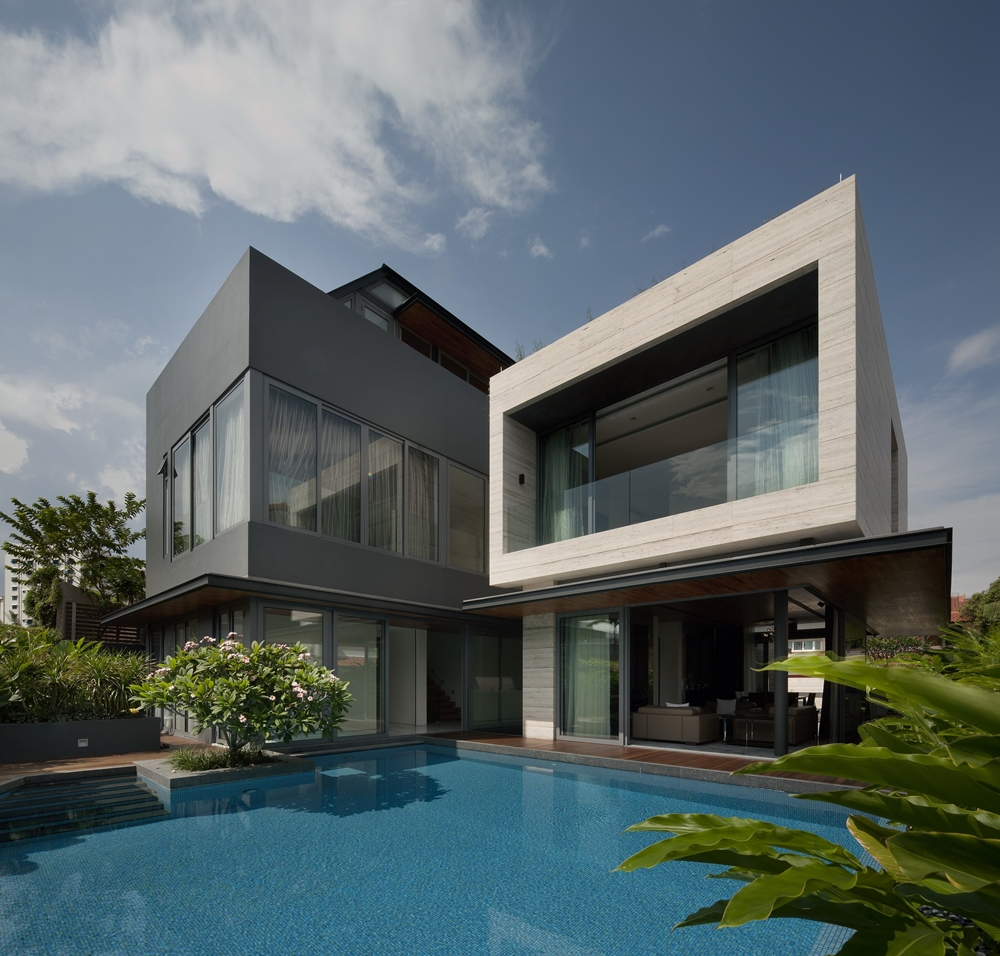
Home houses are more than mere structures; they embody the values, traditions, and histories of the cultures they originate from. Across the globe, the architectural designs and customs surrounding home houses reflect diverse environmental, social, and cultural influences. Understanding these variations provides insight into how different societies view the concept of home and community.Cultural significance is deeply embedded in the architectural designs of home houses, which vary significantly around the world.
From the minimalist wooden cabins of Scandinavian regions to the intricately carved stone homes in Mediterranean countries, the aesthetics and functionality of these homes reveal much about their respective cultures. For instance, in Japan, traditional houses often feature sliding doors and tatami mats, emphasizing harmony with nature and flexibility of space. In contrast, the adobe structures of the Southwestern United States demonstrate an adaptation to arid climates, showcasing the community’s resourcefulness and connection to the land.
Architectural designs in various cultures
Architectural designs of home houses differ not only in appearance but also in their construction methods and materials. These designs are often a reflection of geographic conditions, cultural heritage, and social norms. The following examples highlight the diversity in home house architecture globally:
- Igloos of the Inuit: Built from compacted snow, igloos are dome-shaped structures designed to retain heat in frigid temperatures, showcasing the ingenuity required to thrive in extreme climates.
- Rondavels of Southern Africa: Circular homes with thatched roofs symbolize communal living, as they are often part of larger compounds that foster close-knit family bonds.
- Longhouses of Indigenous Peoples: These elongated structures serve as communal living spaces, emphasizing the collective nature of tribal cultures and their reliance on cooperation.
- Tudor-style homes in England: Characterized by steep gables and decorative half-timbering, these houses reflect medieval European aesthetics and architectural techniques.
Traditional customs surrounding home houses
Many cultures have specific customs associated with home houses that signify their importance within the community. These traditions often include rituals, celebrations, and practices unique to the society.
- Housewarming ceremonies: In many cultures, moving into a new home is marked by rituals that involve blessings and gatherings to ensure luck and prosperity.
- Festivals and gatherings: Homes often serve as gathering places for family and friends during cultural festivals, reinforcing social ties and community spirit.
- Decorative practices: Countries like Mexico celebrate “Día de los Muertos” by elaborately decorating homes with altars for deceased loved ones, intertwining memory with domestic space.
Cultural values shaping the concept of home houses
Cultural values significantly influence how home houses are perceived and constructed in various societies. The concept of home can embody safety, belonging, or an expression of identity, which greatly affects design and functionality.
- Collectivism vs. Individualism: In collectivist cultures, homes are often designed to accommodate extended families and communal living, while individualistic societies may favor privacy and personal space.
- Spiritual beliefs: Many cultures incorporate spiritual elements into their home designs, such as the use of feng shui in Chinese households, which emphasizes harmony between individuals and their environments.
- Environmental adaptation: Cultural respect for the environment can influence building practices, as seen in the use of sustainable materials and designs that minimize ecological impact.
The impact of urbanization on home houses and living spaces
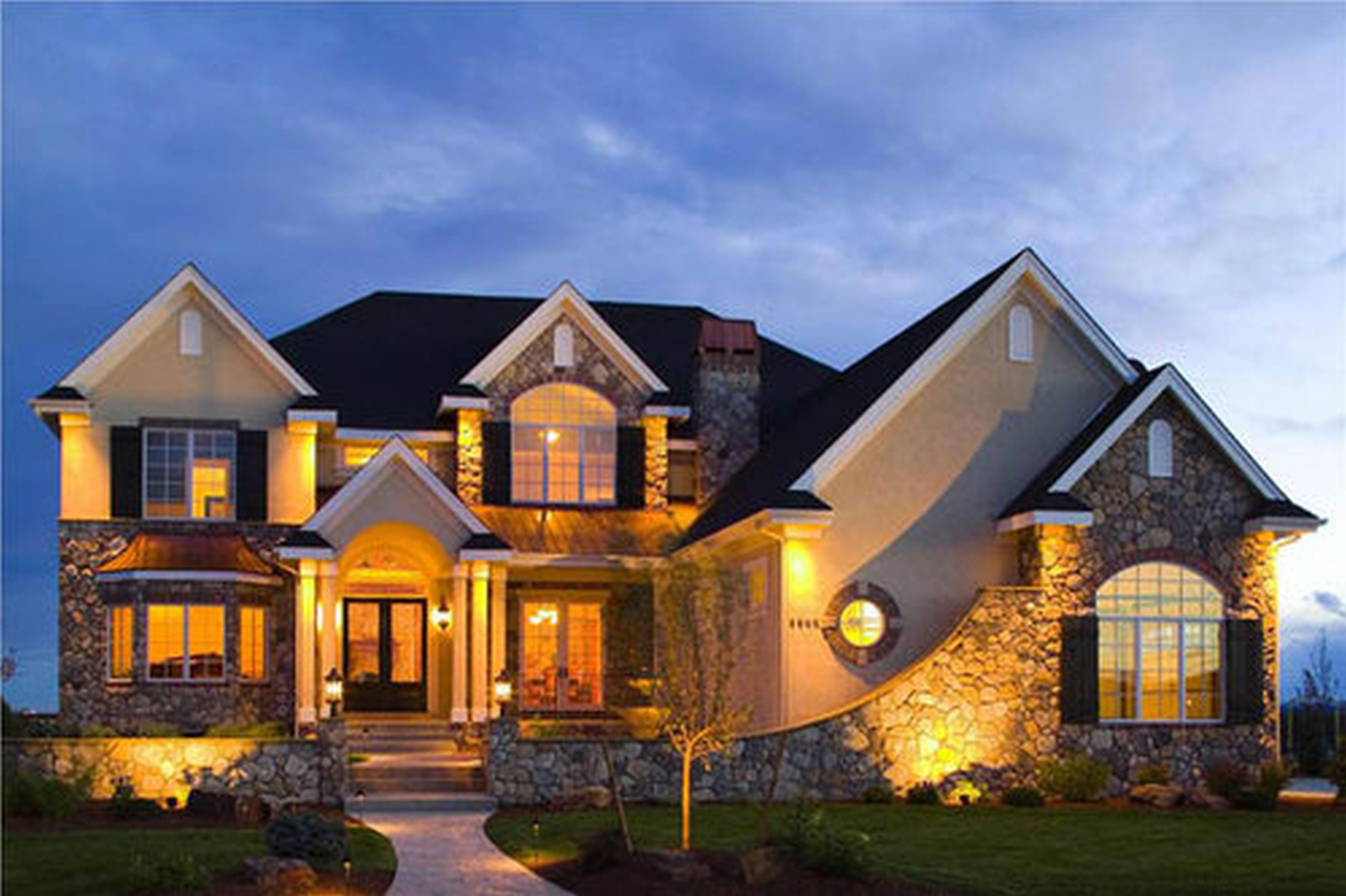
Urbanization has significantly transformed the landscape of home houses and living spaces, particularly as cities expand to accommodate growing populations. In urban environments, home houses face unique challenges that differ greatly from those in rural areas. These challenges often stem from space constraints, increased living costs, and the demand for more efficient designs that cater to the needs of city dwellers.
The way we design and utilize our living spaces is crucial in creating comfortable and functional homes amidst the hustle and bustle of urban life.Urban environments impose specific challenges on home houses that can impact both their design and functionality. High population densities lead to rising property prices, making larger living spaces less accessible. Consequently, many urban residences need to adapt to smaller plots of land, resulting in compact living arrangements.
The necessity for multi-functional spaces is crucial, as residents seek to maximize the utility of their homes while maintaining comfort and style.
Challenges in Urban Home House Design
Space constraints in cities radically influence the architectural approaches to home houses. Given the limited square footage available, designers must innovate to create livable spaces that meet modern needs. The following points highlight some of the challenges faced in urban home house designs:
- Limited Lot Sizes: Urban properties often have small dimensions, which restrict design options and outdoor space.
- Height Restrictions: Local zoning laws may impose height limitations, limiting the number of floors that can be built.
- High Costs: The expense of land and materials can lead to compromises in quality and design.
- Noise and Pollution: Proximity to roads and industries necessitates soundproofing and air filtration systems in home houses.
- Community Dynamics: Urban living often results in less privacy due to closer neighboring homes and shared facilities.
To improve living conditions in urban home houses, several innovative solutions can be implemented. These solutions aim to maximize space efficiency and enhance the quality of life for residents:
Potential Solutions for Urban Home Houses
Developers and architects are continually exploring ways to improve urban living conditions through design innovations and community planning. Some effective solutions include:
- Vertical Living: Multi-story buildings allow for more residents in limited space, utilizing upward expansion instead of outward.
- Modular Design: Prefabricated and modular components can speed up construction and allow for customizable living spaces.
- Adaptive Reuse: Transforming existing structures (like warehouses) into living spaces can preserve history while providing housing.
- Green Spaces: Incorporating parks and rooftop gardens into urban planning can enhance air quality and provide recreational spaces.
- Smart Home Technology: Integrating technology enhances energy efficiency, security, and overall living experience in compact areas.
Final Thoughts
In conclusion, home houses encapsulate a rich tapestry of history, community, and innovation. Understanding their evolution and significance allows us to appreciate not only the physical structures but also the emotional connections and cultural values they embody. As we move forward, embracing sustainable practices and technological advancements will ensure that home houses continue to serve as sanctuaries for generations to come.
Questions Often Asked
What defines a home house?
A home house is typically defined as a residence that provides both shelter and a personal space for individuals or families, embodying their identity and culture.
How can I make my home house more sustainable?
You can make your home house more sustainable by using eco-friendly materials, incorporating energy-efficient appliances, and improving insulation to reduce energy consumption.
What are some common architectural styles of home houses?
Some common architectural styles include colonial, Victorian, modern, and craftsman, each reflecting different historical and cultural influences.
How do home houses influence community development?
Home houses foster community development by creating spaces for social interaction, encouraging neighborly relationships, and establishing a sense of belonging.
What role does technology play in modern home houses?
Technology plays a crucial role in modern home houses by integrating smart home systems, enhancing energy efficiency, and improving overall home design and functionality.
