Homes mobile homes offer a unique alternative to traditional housing, combining affordability with the flexibility of mobility. As more people seek innovative ways to achieve homeownership without the constraints of conventional properties, mobile homes have gained popularity for their accessibility and diverse living options. This overview delves into the multifaceted world of mobile homes, exploring their historical evolution, financial considerations, legal aspects, and the impact they have on communities.
From understanding the concept of mobile homes and distinguishing them from traditional houses to examining their maintenance needs and sustainability features, this guide provides a comprehensive look at what it means to live in a mobile home today. The journey into mobile homes reveals not just a housing solution, but a lifestyle choice that reflects modern societal values and challenges.
Understanding the Concept of Mobile Homes
Mobile homes, also known as manufactured homes, are a type of housing that is built in a factory and then transported to a designated site. These homes are constructed on a permanent chassis, making them mobile and allowing them to be moved if necessary. Typically, mobile homes are designed to be a more affordable housing option compared to traditional homes, offering many of the same amenities and comforts.
As housing needs evolve, mobile homes have gained popularity due to their adaptability and cost-effectiveness. They can range from single-section units to larger multi-section models, providing various layouts and styles to suit different preferences and needs.The distinction between mobile homes and traditional homes lies primarily in their construction and mobility. Traditional homes are built on-site and anchored to a permanent foundation, which often involves extensive land preparation and additional building permits.
For example, a conventional brick-and-mortar home may take several months to build and is typically subject to local zoning regulations. In contrast, mobile homes are constructed in controlled factory environments, ensuring consistent quality and speedier assembly. They can be set up in various locations, from mobile home parks to private lots, providing flexibility that traditional homes do not offer. Living in a mobile home presents several benefits that appeal to many individuals and families.
One of the main advantages is affordability; mobile homes often cost significantly less than traditional homes, making homeownership more accessible for first-time buyers and those on a budget. Additionally, mobile homes tend to have lower utility costs, as they are often designed with energy-efficient materials and features. The ease of customization is another attractive benefit. Homebuyers can choose various layouts, finishes, and features to create a living space that reflects their personal style.
Furthermore, mobile homes generally require less maintenance than traditional houses, given their modern construction techniques and materials that enhance durability. Overall, mobile homes combine affordability, flexibility, and modern conveniences, making them a viable option for a wide range of individuals seeking housing solutions.
The Evolution of Mobile Homes Over the Years

The journey of mobile homes reflects not only changes in design and technology but also shifts in societal attitudes and housing needs. From their humble beginnings to the modern, stylish designs we see today, mobile homes have undergone significant transformations that align with economic developments and lifestyle preferences. This evolution has influenced the way people view mobile living as a viable housing option.The historical development of mobile homes traces back to the early 20th century when the concept of portable housing began to emerge.
Initially, these homes were simple structures used primarily by traveling workers or those engaged in the circus or entertainment industries. As the years progressed, the demand for affordable housing options after World War II led to a surge in mobile home production, making them a popular choice for many American families.
Key Milestones in Mobile Home Design and Technology
Understanding the pivotal moments in the evolution of mobile homes helps illustrate their impact on the housing market. Here are some significant milestones:
- 1920s-1930s: The creation of the first travel trailers marked the beginning of mobile living. These trailers were basic and often handmade, primarily catering to those seeking leisure travel.
- 1940s: Post-WWII demand for affordable housing resulted in factories producing mobile homes on assembly lines, significantly lowering costs and increasing accessibility.
- 1976: The introduction of the HUD code, which established safety and construction standards, enhanced the reputation of mobile homes and improved quality assurance.
- 1990s: The rise of double-wide homes provided more space and comfort, appealing to families and changing perceptions of mobile homes as less desirable living spaces.
- 2000s-Present: Modern mobile homes feature high-quality materials, energy-efficient designs, and customizable options, reflecting contemporary aesthetics and environmental considerations.
The evolution of mobile homes has been significantly influenced by societal changes. Initially perceived as a temporary or lesser housing option, the growing need for affordable housing has led to a shift in perspective. Today, mobile homes are recognized for their potential to provide sustainable living solutions, especially in urban areas where housing costs are soaring.
“Mobile homes are not just a stopgap solution; they offer a practical path to homeownership for many individuals and families.”
In recent years, there has been a notable increase in the popularity of eco-friendly mobile homes, showcasing innovative designs that incorporate sustainable materials and energy-efficient technologies. This shift reflects a broader societal movement towards minimalism and environmental responsibility, further solidifying the role of mobile homes in modern housing discussions.
Financial Aspects of Purchasing a Mobile Home
Buying a mobile home can be an appealing option for many individuals and families, especially considering the financial advantages it often provides compared to traditional homes. Understanding the costs, financing options, and potential for returns on investment is crucial for making an informed decision.Purchasing a mobile home typically involves several costs that differ from those associated with traditional homes. The initial purchase price is often lower, making it accessible for buyers with various budgets.
However, buyers should also consider additional expenses such as land rent if the mobile home is located in a park, utility setup costs, insurance, and maintenance.
Cost Comparison with Traditional Homes
Mobile homes generally present a more affordable entry point into home ownership. Here’s a breakdown of key cost differences:
- Purchase Price: The average cost of a mobile home can range from $50,000 to $100,000, while traditional homes often exceed $300,000.
- Land Expenses: Many mobile homes are situated in parks, resulting in monthly lot rent that can range from $300 to $1,000, while traditional homes usually involve purchasing land.
- Insurance: Mobile home insurance may cost between $300 and $900 annually, compared to homeowners insurance for traditional homes, which can be significantly higher.
- Utilities: Utility costs can vary, but mobile homes may have lower utility costs due to their smaller size and efficient layouts.
Understanding these costs is essential for potential buyers to budget appropriately and assess their financial capabilities.
Financing Options Available for Mobile Home Buyers
Financing a mobile home can differ from traditional home loans. Buyers have various options to consider:
- Chattel Loans: These loans specifically cater to mobile homes that are not permanently affixed to land. They typically require a lower down payment.
- FHA Loans: The Federal Housing Administration offers loans for manufactured homes that meet certain criteria, including being on a permanent foundation.
- VA Loans: Veterans can access favorable loan terms for mobile homes through the Department of Veterans Affairs, provided they meet the eligibility requirements.
- Conventional Loans: Some lenders offer conventional loans for mobile homes, though these may come with stricter requirements.
Choosing the right financing option depends on the buyer’s financial situation, credit score, and the specific characteristics of the mobile home.
Potential for Investment Returns in Various Markets
Investing in mobile homes can yield substantial returns, particularly in areas with high demand for affordable housing. The market dynamics often favor mobile homes due to their lower price point and quick availability.
- Rising Rental Demand: With an increasing number of people seeking affordable housing, mobile homes can be rented out, generating consistent income.
- Appreciation Potential: In desirable markets, mobile homes can appreciate in value, especially when they are well-maintained or when the land they occupy appreciates.
- Low Maintenance Costs: The generally lower maintenance costs associated with mobile homes can enhance overall returns, as fewer expenses eat into profit margins.
- Flexibility in Investment: Investors can acquire, renovate, and resell mobile homes, often realizing quick returns on investment compared to traditional real estate.
Investors should keep an eye on market trends and local economic factors, as these can greatly influence the potential returns on mobile home investments.
Legal and Regulatory Considerations for Mobile Homes
Navigating the legal landscape surrounding mobile home ownership is crucial for prospective buyers and current owners alike. Different regions have varying regulations that govern everything from placement to safety standards. Understanding these can prevent future complications and assure compliance with local laws.One of the primary legal considerations for mobile home ownership involves zoning laws. These laws dictate where mobile homes can be placed, affecting everything from single-family home parks to commercial land usage.
It is essential to research local zoning regulations to avoid penalties or eviction.
Zoning Laws and Mobile Home Placement
Zoning laws play a significant role in determining the placement of mobile homes within a community. Each locality has specific zoning categories that define permissible land uses, which can impact where mobile homes can be situated. The following points highlight key aspects of zoning laws:
- Residential Zones: Most mobile homes are permitted in designated residential zones, often within manufactured home parks. These areas may have additional requirements regarding spacing and appearance.
- Commercial Zones: In some instances, mobile homes may be placed in commercial zones, but they must meet different regulations that may not apply to residential settings.
- Restrictions on Size and Design: Many zoning laws impose restrictions on the size and design of mobile homes to maintain aesthetic standards in the community, which may include requirements for skirting and setbacks from property lines.
- Limitations for Permanent Structures: In certain areas, zoning laws may specify that mobile homes cannot be placed on lots intended for traditional site-built homes, further defining where mobile homes can legally reside.
Understanding zoning laws is essential to ensure that the mobile home is placed in an area that meets local regulations. Failing to comply with these regulations can lead to fines or the need to relocate the home.
Paperwork and Processes for Purchasing and Titling a Mobile Home
The process of purchasing a mobile home involves several paperwork and regulatory steps that vary by state or region. The following Artikel provides insight into the common paperwork and procedures needed during this process:
- Bill of Sale: A bill of sale is crucial for documenting the transfer of ownership from the seller to the buyer, specifying details like the sale price, date, and vehicle identification number (VIN).
- Manufacturer’s Certificate of Origin (MCO): This document is essential for new mobile homes and proves the manufacturer’s ownership, enabling the buyer to register the home with local authorities.
- State Registration: Buyers must register their mobile home with the state’s motor vehicle department or relevant authority, which may require a fee and proof of insurance.
- Title Transfer: Transferring the title is necessary to establish legal ownership. The process can vary, with some states requiring inspections before the title can be issued.
Familiarity with these documents and processes is vital to facilitate a smooth transaction and to ensure that the mobile home is legally recognized under the buyer’s name.
Understanding the legal and regulatory framework surrounding mobile homes can significantly affect the ownership experience, ensuring compliance and peace of mind.
The Impact of Mobile Homes on Communities
Mobile homes play a significant role in shaping the fabric of communities, contributing to both diversity and social dynamics. These housing options cater to various demographics, providing affordable living solutions in an increasingly expensive housing market. The presence of mobile homes can rejuvenate neighborhoods, infusing them with a sense of community spirit and resilience.The unique characteristics of mobile home parks offer both challenges and benefits to residents and the local economy.
These parks serve as a microcosm of community life, where a mix of cultures, ages, and backgrounds come together. This diversity fosters a vibrant community atmosphere, where residents often engage in local activities and support each other.
Challenges and Benefits of Mobile Home Parks
Mobile home parks provide specific advantages and obstacles that affect residents and the surrounding community. Some key aspects include:
- Affordability: Mobile homes typically offer lower housing costs, making homeownership accessible to those who may struggle with traditional housing prices.
- Community Engagement: Many mobile home parks create a sense of belonging, where residents often participate in communal events and activities, fostering relationships and camaraderie.
- Economic Contributions: Mobile home parks can stimulate local economies by providing jobs in maintenance, management, and local services, while also contributing to property tax revenues.
- Social Isolation Risks: Some residents may face social isolation due to the transient nature of mobile home living, leading to challenges in forming lasting connections.
- Property Value Fluctuations: Mobile home parks may experience fluctuations in property values, impacting both residents and local governments.
The dynamics of social interactions in mobile home communities can differ from those in traditional neighborhoods. Residents often experience a close-knit environment, where neighbors become friends, and support systems are built. However, this is not without its complications. The transient nature of some mobile home residents may disrupt social cohesion, as new families frequently enter and exit the community.
Mobile home parks encapsulate a unique community spirit, where both challenges and benefits coexist, shaping a distinctive neighborhood experience.
Comparing mobile home communities to traditional neighborhoods, it’s clear that while both provide essential housing options, the social dynamics can be markedly different. In mobile home parks, informal social networks often emerge more organically, promoting interactions through shared spaces and communal events. These interactions can lead to a supportive atmosphere, where residents look out for one another, akin to a tightly-knit family unit.
Maintenance and Upkeep of Mobile Homes
Maintaining a mobile home requires unique considerations that differ from traditional homes. This comprehensive guide aims to provide mobile home residents with essential information regarding maintenance requirements, common issues, and an effective seasonal checklist to ensure a comfortable living environment.Mobile homes are subject to various elements that can impact their longevity and functionality. Regular maintenance not only preserves the value of the home but also enhances safety and comfort for its residents.
It’s crucial to stay proactive and aware of the specific aspects that come with mobile home upkeep to prevent small issues from becoming major problems.
Maintenance Requirements for Mobile Homes
Understanding the specific maintenance needs of mobile homes helps in preserving their structural integrity. Regular inspections and upkeep are essential for various components:
1. Roof Maintenance
Mobile home roofs require regular inspections for leaks and debris. A thorough cleaning and sealing can extend the roof’s lifespan.
2. Skirting Checks
The skirting around the base of the mobile home helps with insulation and pest prevention. Inspect for damage and secure any loose panels.
3. Plumbing Systems
Check for leaks in all plumbing lines, including under sinks and behind appliances. Insulating pipes in colder months can prevent freezing.
4. Electrical Systems
Regularly inspect electrical systems for wear, especially connections and outlets. Ensure circuit breakers are functioning properly.
5. HVAC Maintenance
Service heating and cooling units to ensure they are efficient. Change filters regularly and check ductwork for leaks.
Common Issues Faced by Mobile Home Owners
Mobile home residents often encounter specific problems that require timely solutions. Recognizing these issues early can save homeowners from costly repairs.
Uneven Floors
A common issue in mobile homes is sagging or uneven floors, often caused by settling. This can be addressed by reinforcing the foundation or adjusting the support beams.
Pest Infestations
Rodents and insects can enter through small openings. Regularly inspect the home for any gaps and seal them appropriately. Using traps and professional pest control can mitigate infestations.
Insulation Concerns
Inadequate insulation can lead to higher energy bills. Upgrading insulation in walls and attics can provide better energy efficiency and comfort.
Water Damage
Water leaks can lead to extensive damage over time. Promptly address any plumbing issues and check for signs of mold or rot.
Seasonal Maintenance Checklist for Mobile Home Residents
Creating a seasonal maintenance checklist can help keep mobile homes in optimal condition year-round. Below is a tailored checklist for each season: Spring Maintenance
- Inspect roof for winter damage
- Clean gutters and downspouts
- Check for pest entry points
- Service air conditioning units
Summer Maintenance
- Inspect exterior paint and siding
- Clean and check outdoor appliances (grills, etc.)
- Test smoke and CO detectors
- Prepare for potential storms (e.g., clear yard)
Fall Maintenance
- Winterize plumbing by draining pipes
- Check insulation in crawl spaces
- Inspect heating systems
- Clean and store outdoor furniture
Winter Maintenance
- Monitor for ice dams on the roof
- Ensure proper ventilation to avoid moisture buildup
- Check the effectiveness of heating systems
- Inspect for drafts around doors and windows
By adhering to these maintenance guidelines, mobile home residents can ensure their homes remain safe, comfortable, and in good repair throughout the year. Regular attention to these aspects not only helps in maintaining the property but also contributes positively to the overall living experience in a mobile home.
Sustainable Living in Mobile Homes: Homes Mobile Homes
Sustainable living is becoming increasingly important, and mobile homes can play a significant role in this movement. With advancements in technology and a growing awareness of environmental issues, mobile homes are now designed with energy efficiency and eco-friendliness in mind. This approach not only benefits the environment but also contributes to lower living costs for homeowners.Design choices that enhance energy efficiency in mobile homes include the use of high-quality insulation, energy-efficient windows, and solar panels.
These components work together to minimize energy loss and reduce reliance on traditional energy sources. For instance, using insulated skirting can help maintain a stable temperature inside the home, ensuring that heating and cooling systems do not have to work as hard, which ultimately saves energy.
Eco-Friendly Mobile Homes and Their Benefits
The growing trend of eco-friendly mobile homes reflects a shift towards more sustainable construction practices. These homes often utilize sustainable materials, such as reclaimed wood or bamboo, and are designed to minimize their ecological impact. The benefits of eco-friendly mobile homes extend to the environment as well as the homeowners.
Lower Energy Costs
Eco-friendly designs often include energy-efficient appliances and renewable energy sources, significantly reducing monthly utility bills.
Reduced Carbon Footprint
By incorporating sustainable materials and practices, these homes contribute less to pollution and energy consumption compared to traditional housing.
Improved Indoor Air Quality
Many eco-friendly mobile homes are built using non-toxic materials, which can lead to healthier living environments and better overall well-being for residents.
Increased Property Value
As sustainability becomes a priority for homebuyers, eco-friendly mobile homes can command higher resale values in the market.
Innovative Sustainable Practices for Mobile Home Owners
Mobile home owners can adopt various innovative sustainable practices to minimize their environmental footprint. These practices not only contribute to sustainability but also promote a healthier lifestyle.To effectively reduce carbon footprints, mobile home owners can consider the following practices:
Rainwater Harvesting
Collecting rainwater for irrigation or household use can significantly lower water consumption and reduce utility costs.
Composting
Setting up a composting system can minimize waste and produce nutrient-rich soil for gardening, which promotes local food production.
Community Solar Programs
Engaging in community solar initiatives allows mobile home owners to access renewable energy without the need for large-scale solar installations on their homes.
Energy Audits
Conducting energy audits can help identify areas where energy efficiency can be improved, leading to targeted upgrades that save energy and money.Implementing these practices not only supports individual households but also fosters a culture of sustainability within communities, showcasing the potential of mobile homes as a viable option for eco-conscious living.
Future Trends in Mobile Home Living
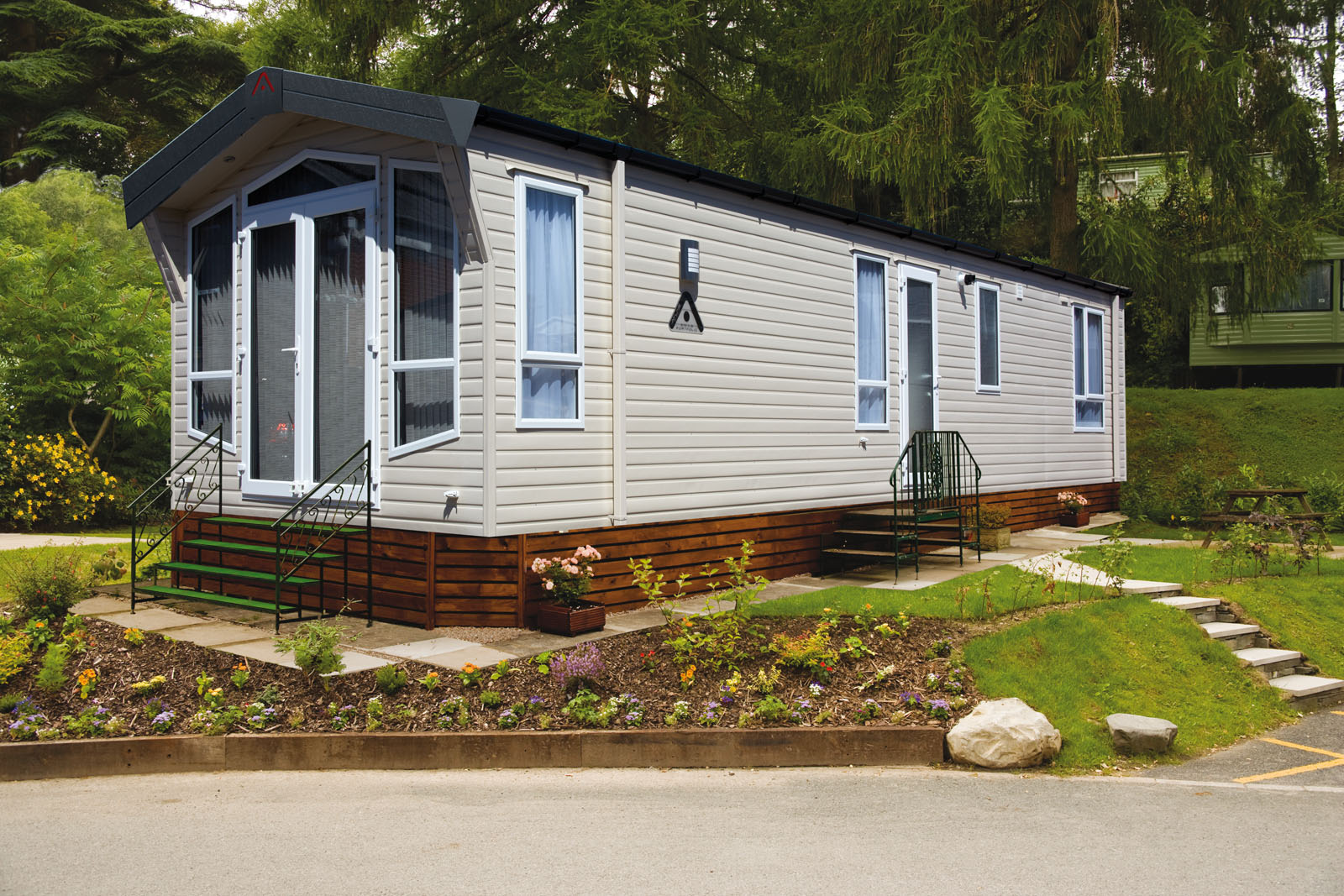
As mobile homes continue to evolve, they are increasingly becoming a viable option for diverse lifestyles. The future of mobile home living is marked by innovative design, technological advancements, and shifting demographics that cater to the needs of modern consumers. This segment explores the upcoming trends in mobile home living that promise to enhance comfort, sustainability, and community engagement.
Emerging Trends in Mobile Home Design
The design of mobile homes is undergoing a transformation, adapting to contemporary preferences and lifestyles. A few key trends have emerged that focus on optimizing space, enhancing aesthetics, and promoting functionality.
- Open Floor Plans: Modern mobile homes are embracing open-concept designs that promote spaciousness and flexibility in living areas, making smaller homes feel larger and more inviting.
- Sustainable Materials: Builders are increasingly using eco-friendly materials, such as recycled wood and energy-efficient insulation, to create sustainable living spaces.
- Multi-Functional Furniture: With the rise of minimalism, mobile homes are incorporating furniture that serves several purposes, such as sofa beds and expandable dining tables, to maximize limited space.
- Smart Home Features: Many new mobile homes are being equipped with smart technology, including programmable thermostats and security systems, offering convenience and efficiency for residents.
Technological Advancements Shaping Mobile Homes
Technology is a significant driver in the evolution of mobile homes. Innovations in construction, energy efficiency, and connectivity are reshaping how mobile homes are built and function.
- Energy-Efficient Appliances: Modern mobile homes are now outfitted with Energy Star-rated appliances that reduce utility costs and environmental impact.
- Smart Home Technology: Features like automated lighting, smart thermostats, and mobile monitoring systems allow residents to manage their homes more efficiently.
- Modular Construction Techniques: Advanced manufacturing processes enable quicker assembly and lower costs, allowing for more customization options in mobile homes.
- Renewable Energy Integration: Solar panels and wind turbines are being incorporated into mobile home designs, promoting self-sufficiency and reducing reliance on traditional power sources.
Changing Demographics Influencing Demand, Homes mobile homes
The demographics of mobile home residents are shifting, influencing the demand for mobile homes in various ways. Understanding these changes is crucial for predicting future trends in mobile living.
- Increasing Millennial Interest: A growing number of millennials are seeking affordable housing options, making mobile homes an attractive choice for first-time buyers.
- Aging Population: Seniors are increasingly opting for mobile homes as they downsize and seek low-maintenance living arrangements in retirement communities.
- Urbanization Trends: As more people move to urban areas, mobile homes are becoming a solution for affordable housing in densely populated cities, especially when placed in thoughtfully designed parks or communities.
- Remote Work Flexibility: The rise of remote work has created a demand for mobile homes that allow individuals to live anywhere while maintaining a comfortable workspace.
Wrap-Up

In summary, the landscape of homes mobile homes is continually evolving, shaped by technological advancements and changing societal norms. Whether you are considering this housing option for its financial benefits, community dynamics, or sustainable practices, mobile homes present a compelling case for rethinking how and where we live. As we look forward to future trends in this sector, the enduring appeal of mobile homes remains a testament to their adaptability and relevance in contemporary life.
FAQs
What are the main differences between mobile homes and traditional homes?
Mobile homes are built in factories and transported to their locations, while traditional homes are constructed on-site. Mobile homes typically have lower costs and can be relocated, while traditional homes offer more permanence and customization.
What financing options are available for mobile home buyers?
Mobile home buyers can explore various financing options, including personal loans, chattel loans, and mortgages specifically designed for manufactured homes.
How do zoning laws affect mobile home placement?
Zoning laws regulate where mobile homes can be placed, determining whether they can be located in residential areas, mobile home parks, or on private land.
What maintenance issues are common in mobile homes?
Common maintenance issues in mobile homes include roof leaks, plumbing problems, and structural repairs, all of which require regular attention to ensure longevity.
Are mobile homes environmentally friendly?
Many mobile homes can be designed for energy efficiency and sustainability, incorporating eco-friendly materials and practices to reduce their carbon footprint.
