Luxury home price is a term that encapsulates the complex interplay of factors determining the value of high-end properties. It reflects not only the tangible aspects of a home but also the economic climate, location, and evolving market trends. As we navigate the intricacies surrounding luxury real estate, understanding what drives these prices can empower potential buyers and sellers alike.
From the impact of location and amenities to market fluctuations and demographic influences, the luxury home market is multifaceted. Each decision made in this arena carries weight, shaped by both personal preferences and broader economic trends. In this discussion, we’ll explore how various elements coalesce to define luxury home pricing and what it means for the future of this exclusive market.
Understanding the Factors that Influence Luxury Home Prices
Luxury home prices are intricately linked to a variety of economic and social factors that drive demand and supply in the real estate market. Understanding these factors is crucial for buyers, sellers, and investors alike. Various elements such as economic health, interest rates, and even consumer sentiment play a significant role in determining how luxury properties are priced. Moreover, the valuation of luxury homes can shift dramatically based on localized trends and amenities that are highly sought after in specific markets.Location is perhaps the most critical element influencing the valuation of luxury homes.
The saying “location, location, location” holds particularly true in the luxury real estate sector. Properties situated in prime areas—such as near the coastline, in prestigious neighborhoods, or close to high-end shopping and dining—often command much higher prices. For instance, homes in urban centers like New York City or San Francisco benefit from their proximity to economic hubs, which enhances their desirability and value.
Additionally, the aesthetics and ambiance of the area, alongside factors such as school districts and community safety, play a substantial role in attracting buyers willing to pay a premium for luxury homes.Several amenities can significantly increase the desirability and price of a luxury home. High-end features and facilities often distinguish luxury properties from standard offerings in the market. The presence of these amenities not only elevates the home’s appeal but also its market value.
Some of the most desirable amenities include:
Key Amenities Influencing Luxury Home Prices
The following list details key amenities that are likely to elevate both the desirability and pricing of luxury homes:
- Gourmet Kitchen: Professional-grade appliances, custom cabinetry, and expansive countertops are highly sought after.
- Home Automation Systems: Advanced smart home technology that controls lighting, climate, and security enhances convenience and luxury.
- Outdoor Living Spaces: Features such as outdoor kitchens, pools, and landscaped gardens create inviting environments for entertainment.
- Fitness Facilities: Home gyms or private fitness studios cater to health-conscious buyers.
- Eco-Friendly Features: Sustainable building materials, solar panels, and energy-efficient systems appeal to environmentally conscious consumers.
- Luxury Finishes: High-quality materials like marble, hardwood, and custom design elements contribute to an upscale aesthetic.
Each of these amenities adds layers of value to luxury homes, making them more attractive to potential buyers. The combination of location and desirable features ultimately creates a compelling proposition that can drive luxury home prices higher than standard residential properties.
The Role of Market Trends in Shaping Luxury Home Prices
The luxury real estate market is a dynamic landscape influenced by various factors, including economic conditions, consumer preferences, and, importantly, market trends. Analyzing these trends not only helps potential buyers and sellers navigate the market but also reveals the underlying forces that drive luxury home prices. Recent observations indicate that market trends are critical in shaping expectations and investment decisions in the luxury sector.Seasonal fluctuations play a significant role in luxury home pricing, as the demand for high-end properties often varies throughout the year.
The luxury real estate market tends to follow a cyclical pattern, with specific seasons demonstrating heightened activity compared to others. For instance, the spring and summer months, particularly from March to July, are often regarded as the peak selling season. During this time, families prefer to move, taking advantage of the favorable weather and school schedules. The increased demand can lead to higher prices, as buyers compete for prime properties.Conversely, the fall and winter months typically see a slowdown in luxury home sales.
The holidays, colder weather, and the end of the school year often deter buyers from making significant investments. Price reductions and more negotiable terms may occur during this period, reflecting the reduced competition in the market. This seasonal ebb and flow are crucial for both buyers and sellers to understand, as timing can significantly impact pricing strategies and investment outcomes.
Influence of Foreign Investment on Luxury Home Prices
Foreign investment has emerged as a powerful force in shaping luxury home prices across various markets. Investors from countries such as China, Canada, and the Middle East have increasingly turned their attention to the luxury real estate sector in major metropolitan areas like New York, Los Angeles, and Miami. This influx of capital can drive prices up, as high-net-worth individuals seek to secure assets in stable and desirable locations.The implications of foreign investment are multifaceted.
For instance, Chinese buyers have been particularly active in the U.S. luxury market, fueled by a desire to diversify their investments and secure residency options. An analysis of the National Association of Realtors showed that foreign buyers spent approximately $54 billion on U.S. properties between April 2020 and March 2021, with a significant portion directed towards luxury homes. This trend has led to increased competition, pushing prices higher in sought-after neighborhoods.Moreover, foreign investment can create a ripple effect in the local economy.
As luxury properties change hands at higher prices, they can elevate the perceived value of surrounding real estate, impacting both residential and commercial markets. Areas historically considered less desirable may experience gentrification as these investments bring improvement and development. In summary, market trends, including seasonal fluctuations and foreign investment dynamics, play a critical role in shaping luxury home prices. Understanding these elements allows buyers and sellers to make informed decisions, optimizing their strategies to navigate the ever-changing landscape of luxury real estate.
Comparing Luxury Home Prices Across Different Regions
Luxury home prices vary significantly based on geographic location, influenced by several factors including economic conditions, local amenities, and market demand. Understanding these variances is crucial for potential buyers and investors seeking to navigate the luxury real estate landscape effectively. This segment delves into the differences in luxury home pricing between metropolitan and rural areas, as well as highlighting international comparisons and the impact of local economies.
Differences in Pricing Between Metropolitan and Rural Areas
In metropolitan areas, luxury homes command significantly higher prices than their rural counterparts. Urban centers such as New York City, London, and Tokyo often see staggering price tags due to a concentrated demand for high-end properties, driven by the proximity to business hubs, cultural offerings, and exclusive amenities. For instance, a luxury apartment in Manhattan can easily surpass several million dollars, reflecting not only the location’s desirability but also the limited space available.Conversely, rural areas typically offer larger properties at a fraction of the cost.
The average luxury home in a picturesque countryside setting may be priced significantly lower, allowing buyers to acquire more land and space. However, the trade-off often includes fewer amenities and services, which can influence buyer interest. This price disparity is largely attributed to demand; metropolitan areas attract a larger pool of affluent buyers, leading to competitive bidding and escalated prices.
International Price Comparisons of Luxury Homes
Luxury home prices exhibit dramatic differences across various countries, significantly shaped by local economies, cultural values, and market dynamics. For example, in the United States, prime luxury markets such as San Francisco and Miami can see average prices well into the multi-million dollar range, while cities in emerging markets may offer luxury homes at lower prices.In Europe, cities like Paris and Geneva are known for their high-end real estate, with luxury apartments often priced at over €10 million due to their historical significance and cultural allure.
In contrast, markets in countries such as Portugal or Greece are increasingly popular for luxury buyers, where the same level of opulence may be available at a reduced cost, appealing to investors seeking value.Additionally, emerging markets in countries like Mexico and Thailand are witnessing a surge in luxury home development, where beachfront properties and high-end resorts attract both local and international buyers.
As a result, regional disparities can offer unique investment opportunities, but they also require careful consideration of local laws and economic stability.
Local Economies Influencing Luxury Home Pricing
The state of local economies plays a pivotal role in shaping luxury home pricing. Regions with robust economic growth, low unemployment rates, and high-income levels tend to see elevated demand for luxury properties. Cities that serve as financial or technological hubs, such as Silicon Valley, boast some of the highest luxury home prices, reflecting wealth concentration and a demand for upscale living.Factors such as tax incentives, infrastructure development, and lifestyle offerings also enhance the appeal of certain areas.
For example, regions that invest in their amenities—such as world-class schools, healthcare facilities, and recreational options—can drive up luxury home values. Properties in these locales often showcase not just architectural elegance but also a lifestyle that attracts affluent buyers.
“Understanding the interplay between luxury home prices and local economies is essential for navigating real estate investments effectively.”
Overall, the variations in luxury home pricing across regions and countries underscore the importance of thorough market research and an awareness of local economic conditions. Buyers and investors must consider not only the aesthetic and physical attributes of properties but also the broader economic and cultural contexts that shape their value.
The Impact of Home Features on Luxury Pricing: Luxury Home Price
The price of luxury homes is significantly influenced by various features that define their uniqueness and appeal. Among these features, architectural styles, smart home technologies, and well-designed outdoor spaces play crucial roles in determining the value of a luxury property. Understanding how these components contribute to pricing can provide valuable insights for both buyers and sellers in the luxury real estate market.
Architectural Styles and Unique Designs
Architectural styles and unique designs are paramount in establishing the identity of a luxury home. The aesthetic appeal of a property often correlates directly with its market value. Homes featuring distinctive architectural elements such as modern minimalism, classic Mediterranean, or art deco styles not only attract buyers but also command higher prices due to their visual allure and craftsmanship. For instance, a home designed with an open concept layout combined with high ceilings and large windows can create an inviting atmosphere that enhances the overall living experience.
In contrast, homes that showcase historical features with meticulous restorations can also fetch premium prices due to their rarity and the story they convey. The material quality and finish are critical as well; properties built with high-end materials, such as marble flooring, custom cabinetry, and designer fixtures, signify luxury and exclusivity. Buyers are often willing to pay a premium for homes that stand out due to their unique architectural designs and superior build quality.
Value of Smart Home Features and Technology
The integration of smart home features and advanced technology adds significant value to luxury properties. Modern buyers increasingly prioritize convenience, security, and energy efficiency, leading to a surge in demand for smart home technology. Homes equipped with state-of-the-art smart systems for climate control, lighting, security, and entertainment not only enhance the living experience but also improve the property’s marketability.For example, a luxury home featuring a comprehensive home automation system allows residents to control various functions through their smartphones or voice commands.
Such features include automated lighting that adjusts based on the time of day, security systems with real-time monitoring capabilities, and energy-efficient heating and cooling systems that reduce utility costs.The appeal of these technologies extends beyond mere convenience. Properties featuring extensive smart home integrations often yield better resale values, as they resonate with tech-savvy buyers who appreciate modern living. According to recent studies, homes with advanced smart technologies can see an increase in value of up to 5-10%, showcasing the financial benefits of investing in these features.
Significance of Outdoor Spaces and Landscaping, Luxury home price
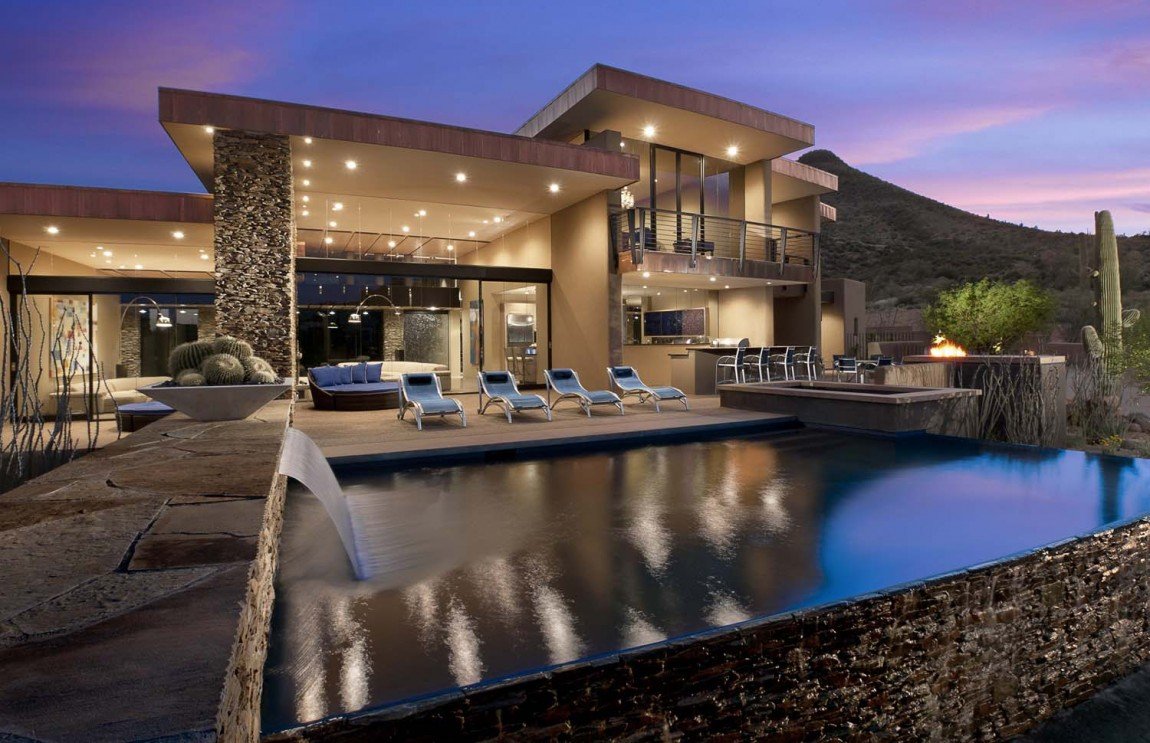
Outdoor spaces and landscaping significantly contribute to the valuation of luxury homes. A well-designed outdoor area can enhance the overall aesthetic appeal and functionality of a property. Features such as landscaped gardens, outdoor kitchens, swimming pools, and carefully planned sitting areas add to the allure of luxury living.The importance of outdoor spaces extends to their potential for leisure and entertainment.
Homes that offer expansive balconies, terraces, or patios equipped with amenities such as fire pits or outdoor dining areas cater to buyers looking for spaces to entertain guests or relax in nature. Moreover, properties situated on larger lots with mature trees and professional landscaping are often deemed more desirable. These elements not only enhance the property’s curb appeal but also create a tranquil atmosphere that luxury buyers crave.
As a result, homes with exceptional outdoor features can command higher prices, especially in regions where outdoor living is a significant aspect of lifestyle.In conclusion, architectural styles, smart home technology, and outdoor spaces are pivotal in determining luxury home prices. Each of these elements contributes to the overall value, making them essential considerations for anyone navigating the luxury real estate market.
Demographics and Their Influence on Luxury Home Prices
The luxury real estate market is intricately connected to the demographic shifts of its potential buyers. As societal trends evolve, so do the preferences and buying behaviors of affluent individuals, significantly impacting luxury home pricing. Understanding these demographic influences is crucial for both buyers and sellers in the high-end market.
Do not overlook the opportunity to discover more about the subject of Home Bar Wall Decor Ideas.
Millennials and Gen Z in Luxury Real Estate
Millennials and Gen Z are emerging as powerful players in the luxury real estate sector. Their unique preferences and lifestyle choices are reshaping market dynamics. Unlike previous generations, these younger buyers prioritize experiences and sustainability over mere opulence. Their focus on lifestyle can shift luxury home pricing due to the demand for properties that offer amenities promoting wellness, technology integration, and eco-friendliness.A key factor influencing the choices of these demographics is their desire for urban living.
Many affluent millennials and Gen Z buyers prefer properties in vibrant, walkable neighborhoods that provide access to amenities such as dining, entertainment, and cultural experiences. This trend has led to increased demand for luxury homes located in metropolitan areas, often driving prices higher in these sought-after locations.Additionally, younger buyers are more tech-savvy and value smart home features that enhance convenience and efficiency.
Homes equipped with the latest technology, energy-efficient systems, and sustainable designs tend to attract premium prices, reflecting a shift in what constitutes luxury living. For example, luxury properties with home automation systems or environmentally friendly installations have seen price increases as buyers actively seek out these features.Cultural differences also play a significant role in luxury home buying behaviors. Affluent individuals from diverse backgrounds may have varying expectations and traditions that influence their purchasing choices.
For instance, buyers from different countries might prioritize distinct architectural styles, cultural heritage, or specific community aspects, shaping the luxury market landscape. For instance, a Chinese buyer may place high value on feng shui principles, impacting their willingness to pay for homes that align with these preferences. Similarly, Middle Eastern buyers may look for lavish amenities that cater to family gatherings and hospitality.
This cultural nuance causes variations in luxury home pricing across regions, as sellers must adapt to meet the expectations of a diverse clientele. As the demographics of affluent buyers continue to shift, understanding these influences becomes essential for navigating the luxury real estate market effectively.
The Future of Luxury Home Prices in a Changing Economy
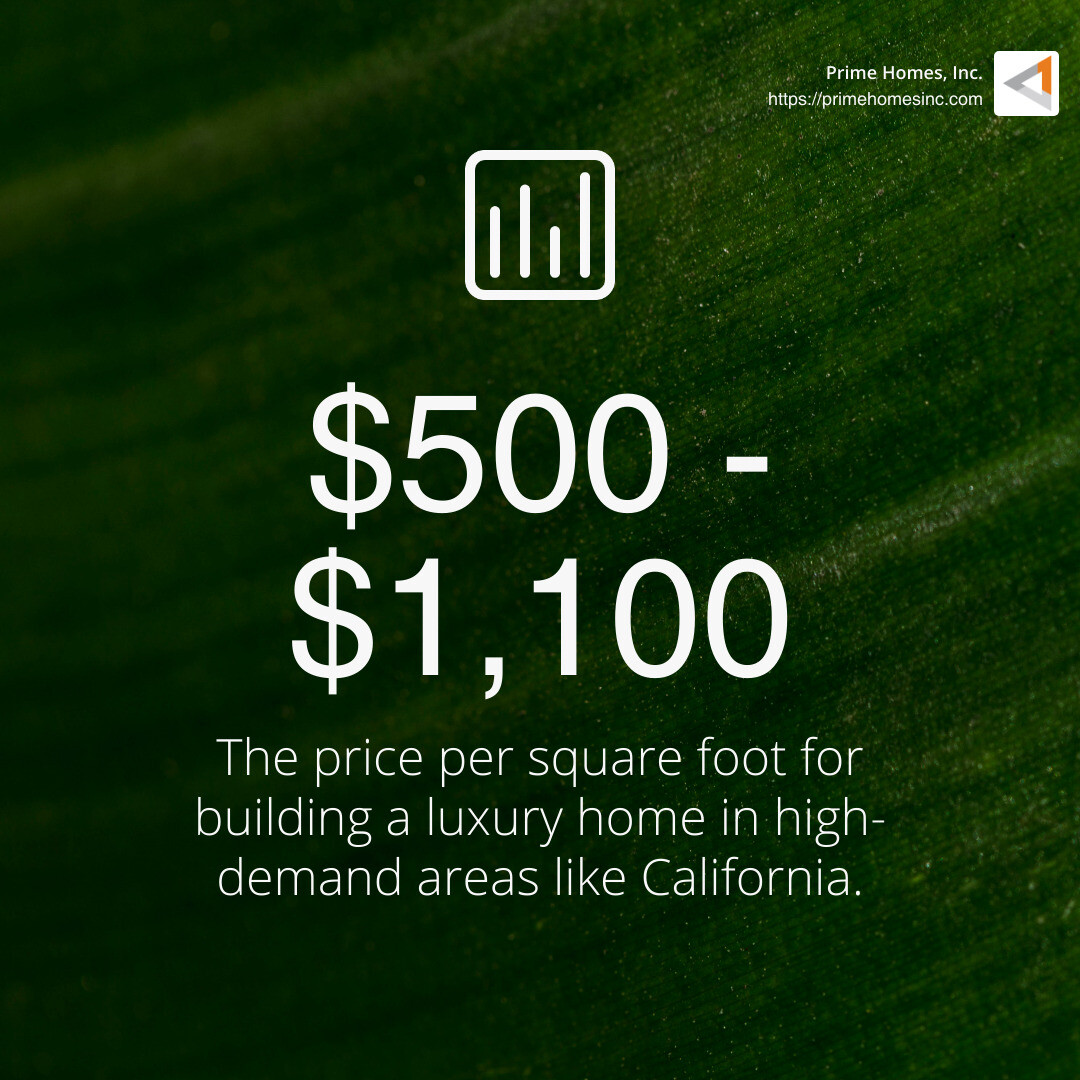
As we venture into the future, the luxury housing market is set to experience profound shifts influenced by evolving economic conditions. Experts predict that the next decade will bring unique challenges and opportunities, shaping the landscape of luxury home pricing. Factors like economic resilience, technological advancements, and changing consumer preferences will define how luxury homes are valued and sold.Economic downturns have historically posed significant impacts on luxury home prices.
In previous recessions, such as the 2008 financial crisis, the luxury market experienced a notable slowdown as high-net-worth individuals often tightened their spending. Although luxury properties tend to be more resilient, they are not immune to economic fluctuations. Prices can drop by 15% to 30% in steep downturns as demand wanes and sellers are forced to adjust their expectations. The shift can lead to an oversupply in the high-end market, further driving prices down.
For instance, during the recession, high-end homes in areas like California and New York saw significant price corrections as buyers became more cautious.
Emerging Trends Influencing Future Luxury Home Valuation
Several trends are anticipated to shape the future of luxury home prices. Understanding these factors can provide insight into how valuations may evolve in the coming years. One significant trend is the increasing emphasis on sustainability and eco-friendly features. Buyers are now more inclined to invest in homes that offer energy-efficient technologies and sustainable materials. This shift in preference could lead to a premium for such properties.
Another notable aspect is the rise of remote work, which has changed the demand for luxury homes. Many buyers are now seeking properties outside urban centers, leading to increased interest in suburban and rural areas. This could drive up prices in previously overlooked markets.Additionally, technology continues to play a crucial role in the luxury real estate landscape. Innovations like virtual reality tours and AI-driven property recommendations are transforming how buyers engage with luxury homes, making it easier to access high-end properties globally.In conclusion, the future of luxury home prices will likely reflect a complex interplay of these emerging trends and historical economic patterns.
As the market adapts to new realities, those in the luxury space must remain vigilant and responsive to these changes to navigate the evolving landscape successfully.
Financing Options for Purchasing a Luxury Home
Purchasing a luxury home involves significant financial investment, making understanding financing options crucial for potential buyers. The luxury real estate market presents unique opportunities and challenges, and choosing the right financing method can greatly impact the affordability and overall financial health of the investment. Buyers have access to a range of financing options that cater specifically to the luxury market, each with distinct advantages and implications.
Types of Financing Options in Luxury Real Estate
Several financing options are available for buyers in the luxury market, each serving different financial strategies and preferences. This section highlights the most commonly used financing methods.
- Conventional Mortgages: These are standard fixed-rate or adjustable-rate mortgages that typically require a significant down payment, often ranging from 20% to 30% for luxury properties. Conventional loans offer stability in payment amounts, which can be beneficial for budgeting.
- Jumbo Loans: Since luxury homes often exceed the limits set by conventional loans, buyers frequently utilize jumbo loans. These loans cater to higher-priced properties but come with stricter credit requirements and higher interest rates.
- Interest-Only Loans: For some buyers, an interest-only loan can be appealing, allowing them to pay only the interest for a set period, thus lowering initial monthly costs. This can be beneficial for investors expecting to sell or refinance before the principal payments begin.
- Private Lenders: Some luxury home buyers may turn to private lenders or hard money loans for quick financing solutions. While these options provide speed and flexibility, they often come with higher interest rates and shorter repayment terms.
Impact of Interest Rates on Luxury Home Purchasing
Interest rates significantly influence the luxury home buying process. As rates fluctuate, they can either enhance or restrict buyer purchasing power. Higher interest rates translate to increased monthly mortgage payments, which may lead potential buyers to reconsider their budgets or the price range of homes they are willing to purchase. For example, a 1% increase in interest rates can add hundreds of dollars to monthly payments, making a substantial difference over the life of a loan.Conversely, lower interest rates can make luxury real estate more accessible.
Buyers may find it attractive to take advantage of lower borrowing costs, potentially expanding their search and allowing for higher-priced properties. The implications of interest rates extend beyond immediate affordability; they also affect long-term investment strategies. Buyers anticipating shifts in the market may opt for fixed-rate loans during low-rate periods to secure favorable terms for years to come. Overall, understanding interest rates and financing options is essential for navigating the luxury real estate market successfully, ensuring buyers make informed decisions tailored to their financial situations.
The Role of Real Estate Agents in Luxury Home Transactions
In the realm of luxury home transactions, specialized real estate agents play a pivotal role in ensuring that buyers and sellers navigate the complexities of the high-end market effectively. The luxury real estate sector demands agents who not only understand the nuances of premium properties but also possess a network of affluent contacts and access to exclusive listings. This expertise is essential for successfully closing transactions that often involve considerable financial stakes and unique buyer needs.Marketing strategies for luxury properties significantly differ from those employed in the standard real estate market.
High-end homes require a tailored approach that emphasizes exclusivity and sophistication. Traditional marketing methods—like basic online listings or open houses—are often insufficient in this arena. Instead, luxury real estate marketing employs a range of sophisticated strategies, including:
- High-Quality Visuals: Professional photography, drone footage, and virtual tours create an immersive experience that showcases the property’s unique features and luxurious ambiance. For instance, a luxury beachfront home might be highlighted with sunset shots, emphasizing its stunning views.
- Targeted Marketing: Luxury properties are marketed to specific demographics through curated digital campaigns, often utilizing platforms like social media and exclusive real estate websites that attract high-net-worth individuals.
- Personalized Showings: Agents often arrange private viewings for serious buyers, allowing them to experience the property without the distractions of typical open-house events. This personal touch can significantly influence a buyer’s perception of exclusivity.
- Influencer Collaborations: Luxury home listings may partner with lifestyle influencers or celebrities to reach a broader yet targeted audience, leveraging their followers’ interests in high-end living.
In luxury real estate transactions, negotiation tactics are crucial and often more intricate than in other markets. Agents employ various strategies to secure the best deal for their clients, including:
Key Negotiation Tactics in Luxury Real Estate
Successful agents utilize several key negotiation tactics in luxury real estate transactions that aid in achieving favorable outcomes:
- Understanding Buyer Motives: By identifying what drives a buyer’s interest—be it investment potential, lifestyle changes, or emotional attachment—agents can tailor their negotiation strategies accordingly.
- Building Rapport: Establishing a personal connection with both the buyer and seller can create a more conducive environment for negotiation, fostering trust and openness.
- Leveraging Market Knowledge: Agents utilize their deep understanding of market trends and property values to justify pricing and counter offers effectively.
- Creating Urgency: Introducing elements of scarcity or demand, such as highlighting other potential buyers or recent interest in the property, can motivate decision-making and lead to quicker resolutions.
Last Point

In summary, the landscape of luxury home prices is constantly evolving, driven by numerous factors ranging from economic conditions to buyer preferences. As we look ahead, it’s clear that understanding these dynamics is crucial for anyone interested in the luxury real estate market. By keeping an eye on trends and shifts, buyers and sellers can navigate this complex arena with greater confidence.
FAQ Compilation
What factors most influence luxury home prices?
Location, amenities, market trends, and economic conditions are key factors that influence luxury home prices.
How do seasonal trends affect luxury home prices?
Seasonal fluctuations can lead to varying demand, causing prices to increase or decrease depending on the time of year.
What amenities are considered essential for luxury homes?
High-end amenities such as gourmet kitchens, smart home technology, and outdoor living spaces significantly boost luxury home appeal.
How does foreign investment impact luxury home prices?
Foreign investment can drive up demand and, consequently, prices in the luxury market, particularly in sought-after locations.
What financing options are available for luxury home buyers?
Luxury home buyers typically have access to traditional mortgages, jumbo loans, and alternative financing options tailored to high-value properties.
